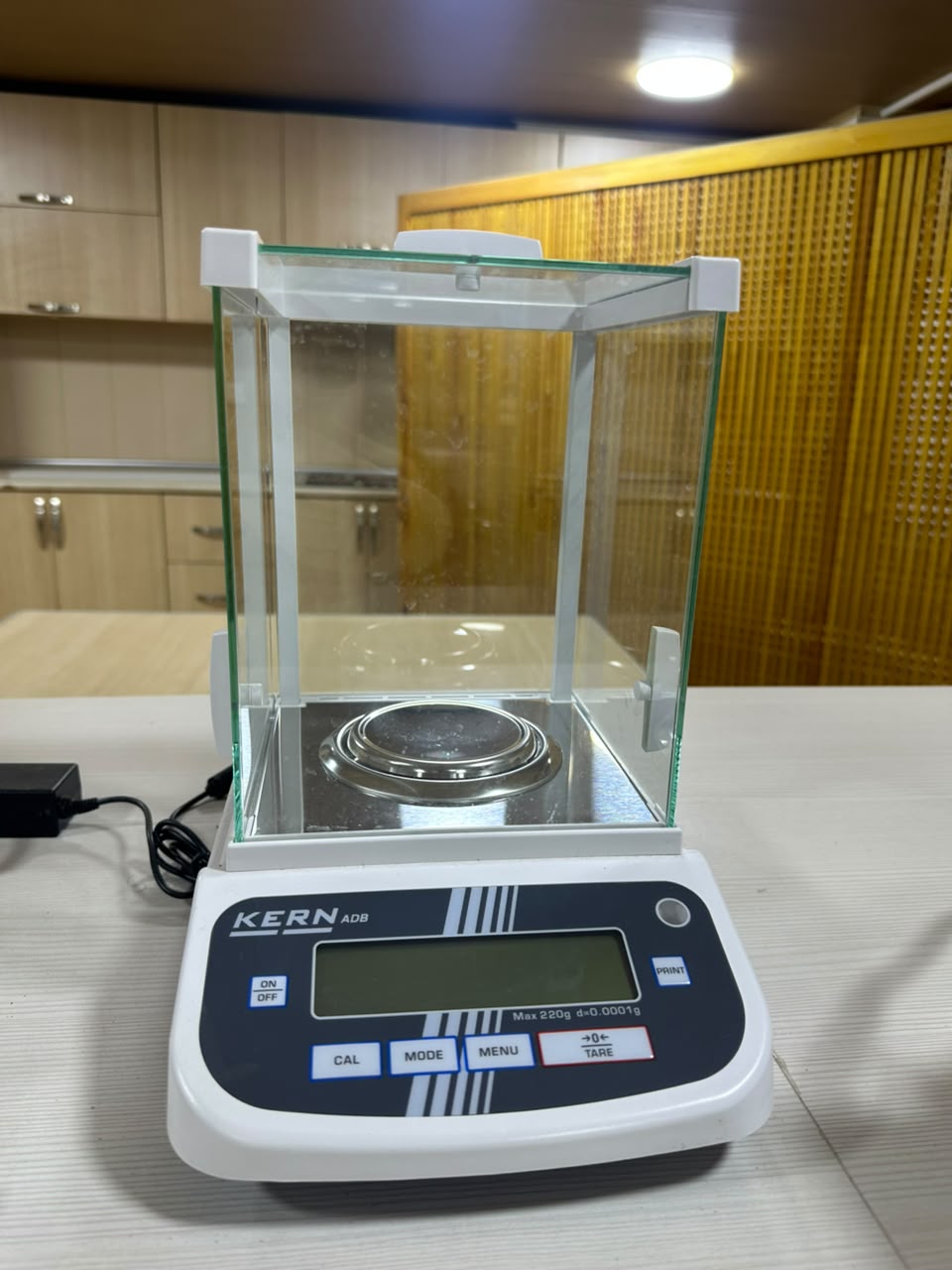
Food Engineering Laboratory
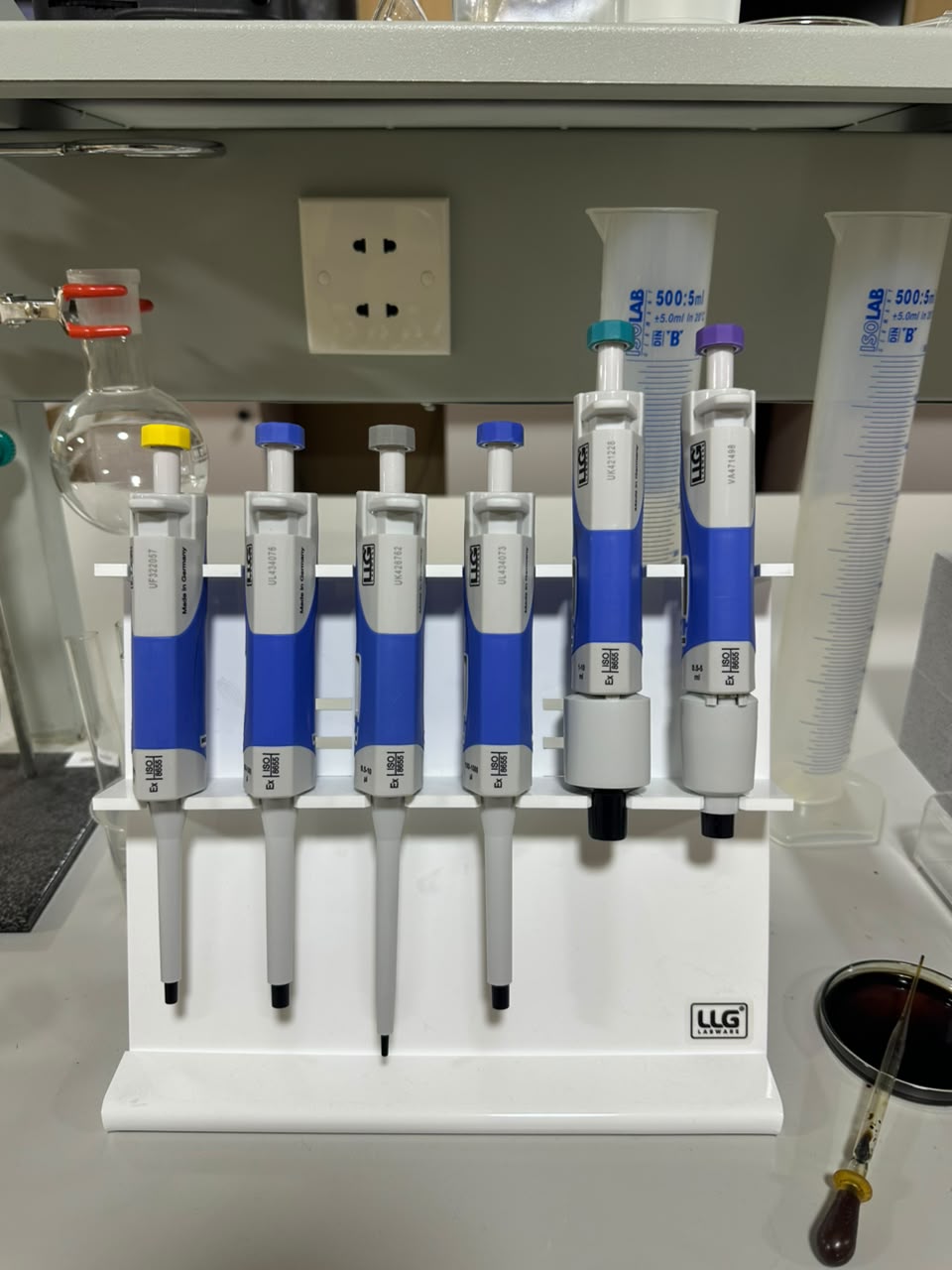
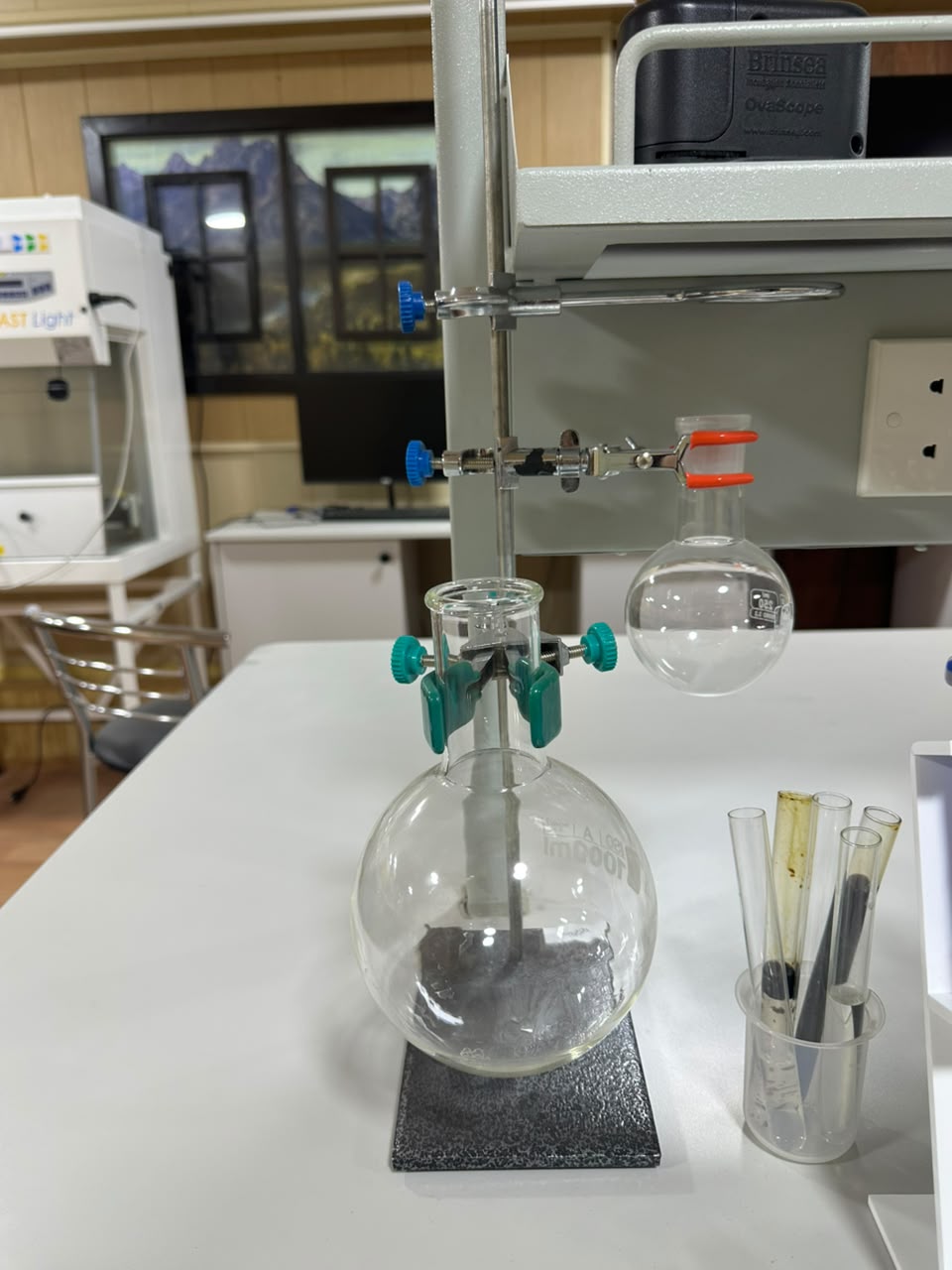
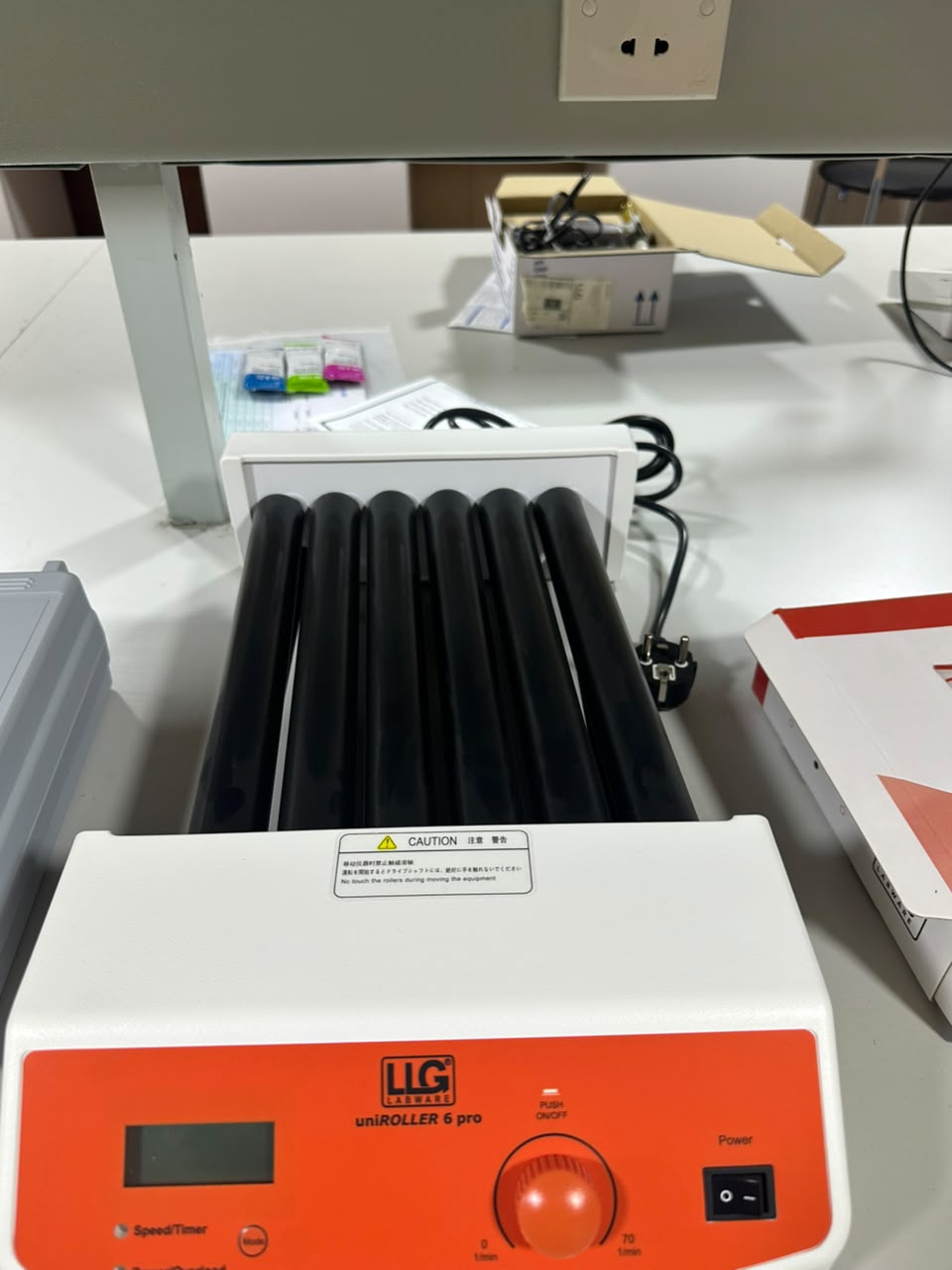
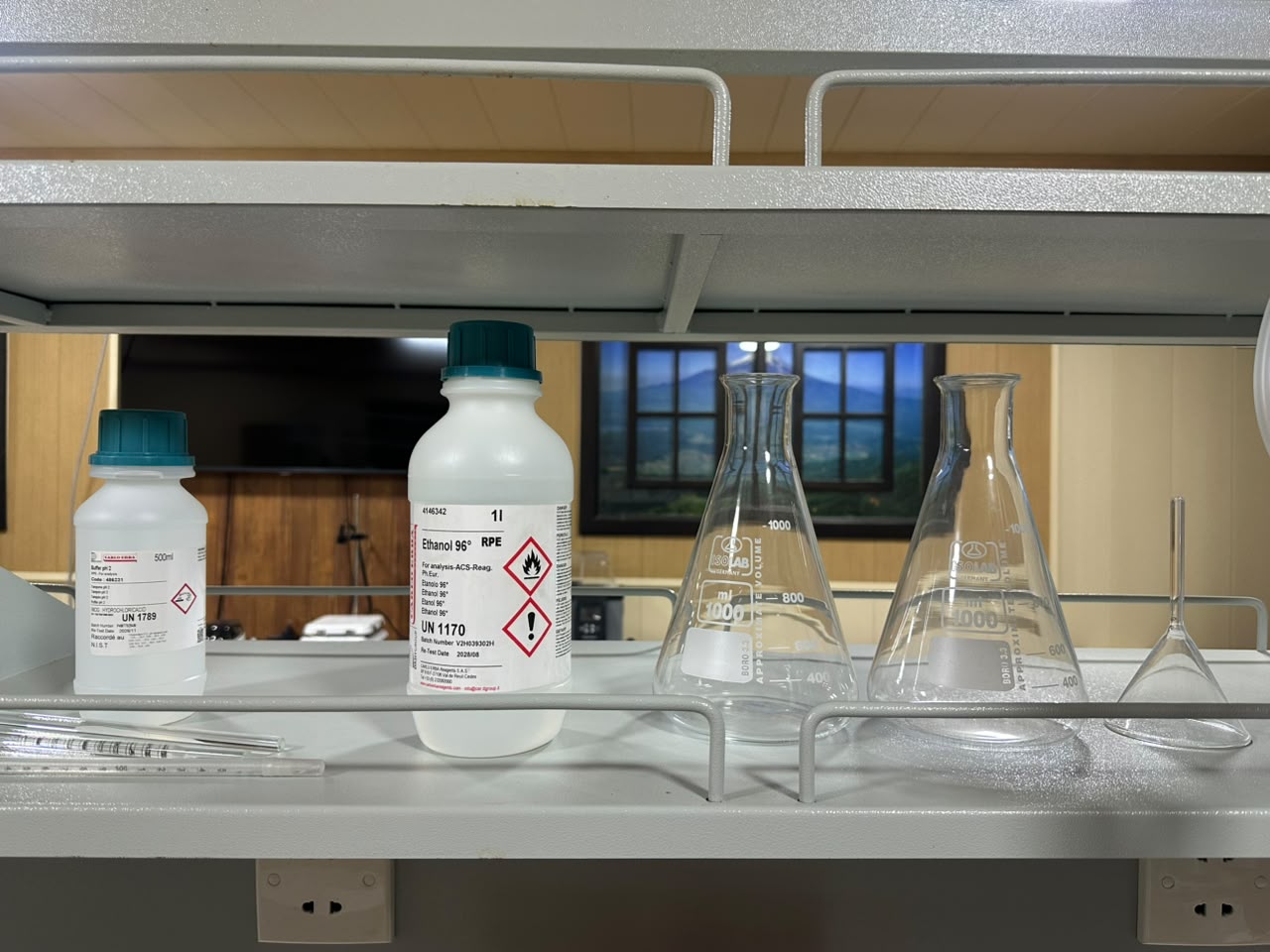
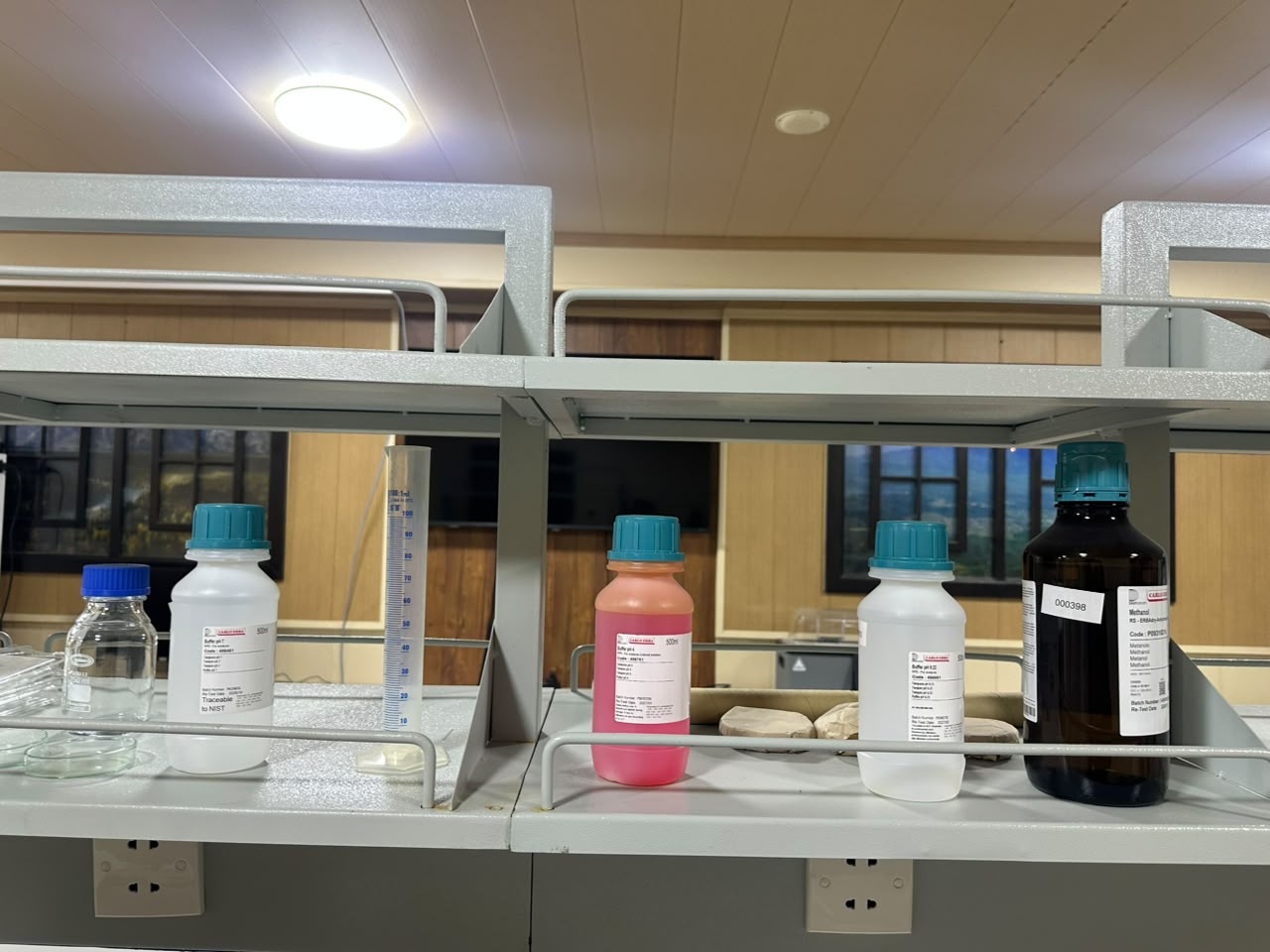
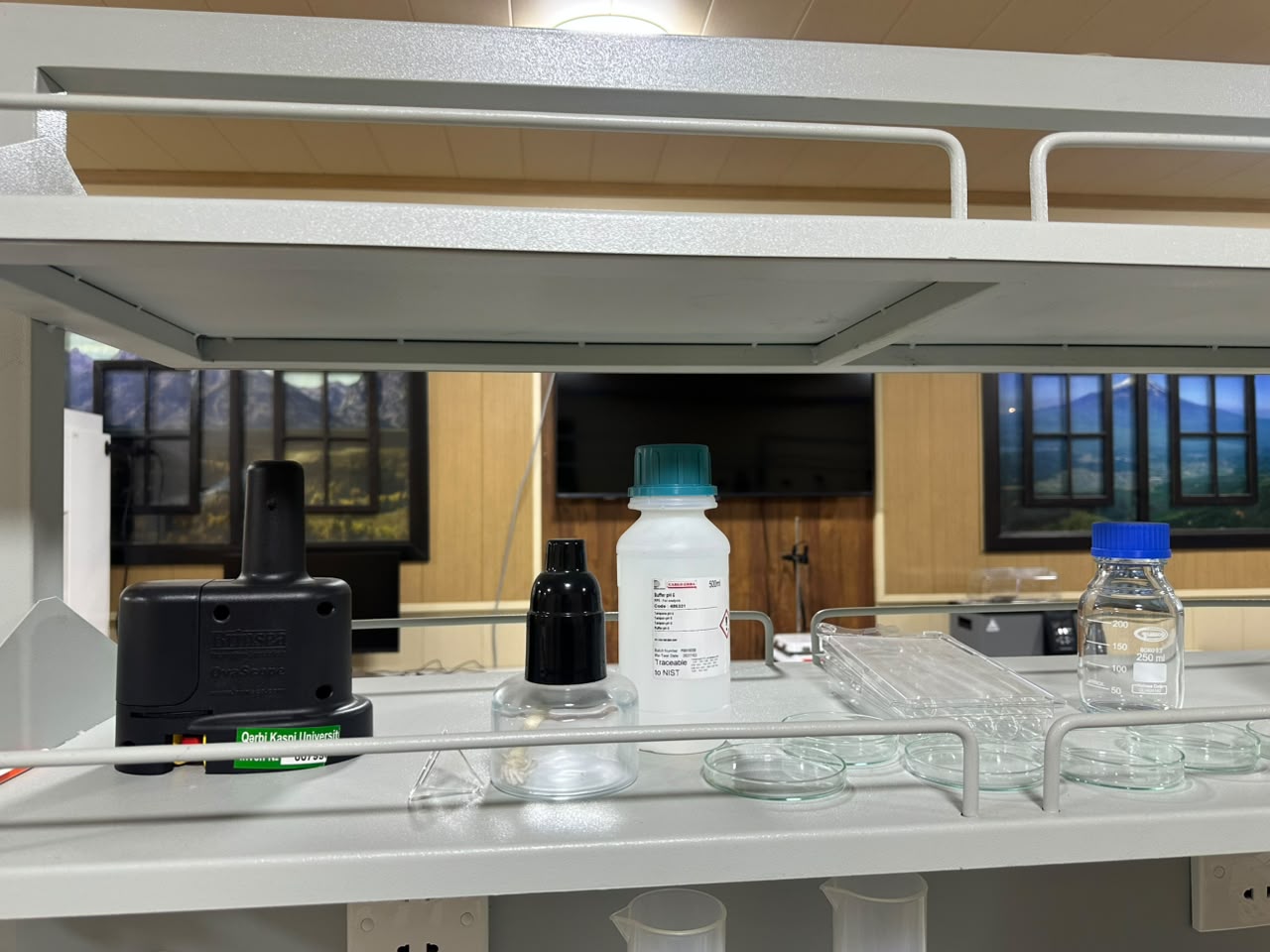
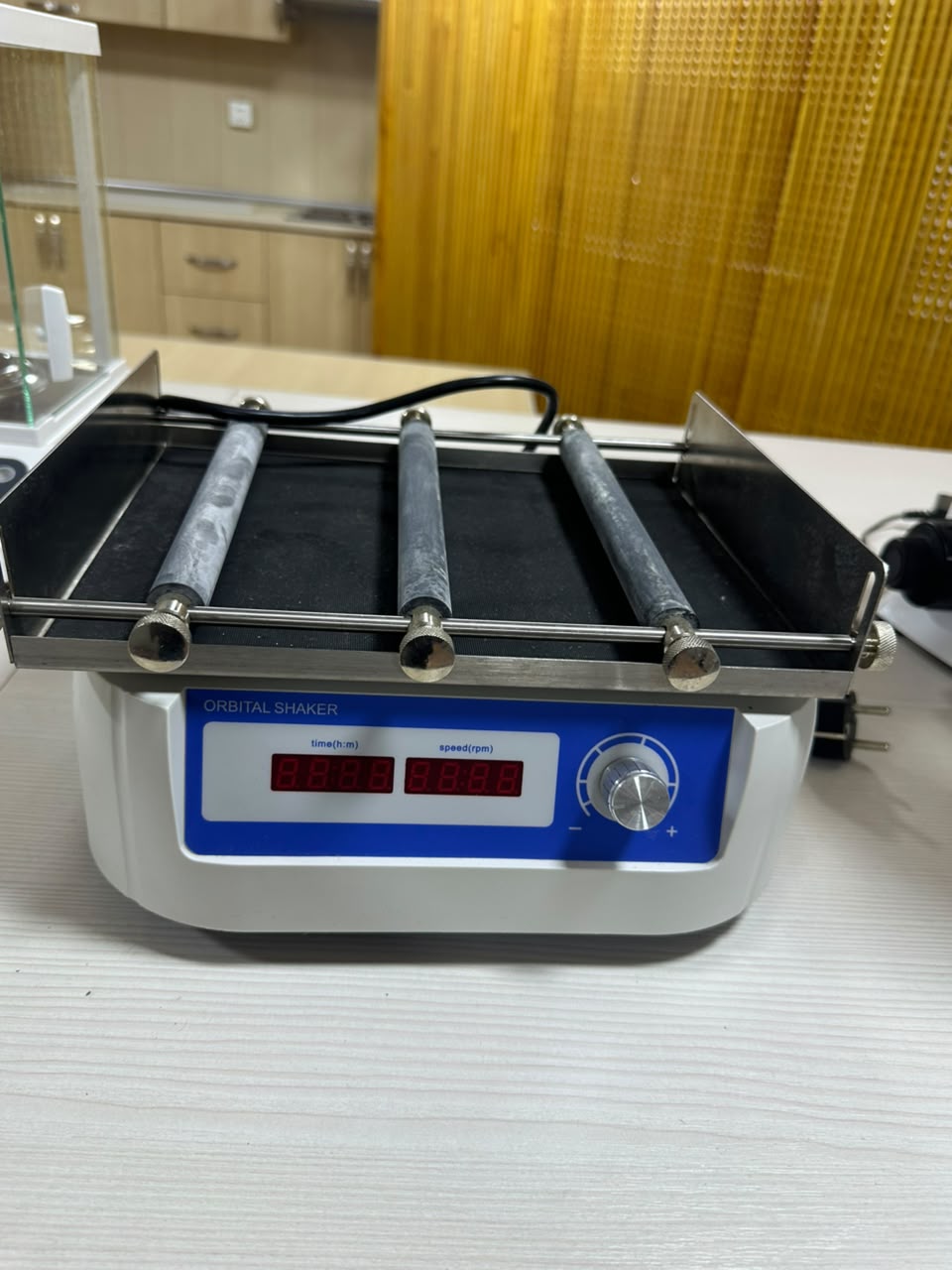
The Food Engineering Laboratory is a modern research and education center established to study the scientific and technological principles of food products from raw materials to consumption, ensure food safety, and develop innovative production methods. Our laboratory serves both to equip students with practical skills and to execute scientifically and industrially significant projects.
Strategic Action Plan
The laboratorys annual and long-term action plan is built upon enhancing educational quality, increasing scientific potential, and integrating with the industry:
• Education and Practical Training: Organizing high-level laboratory sessions for students in chemistry, biochemistry, microbiology, and food technology courses.
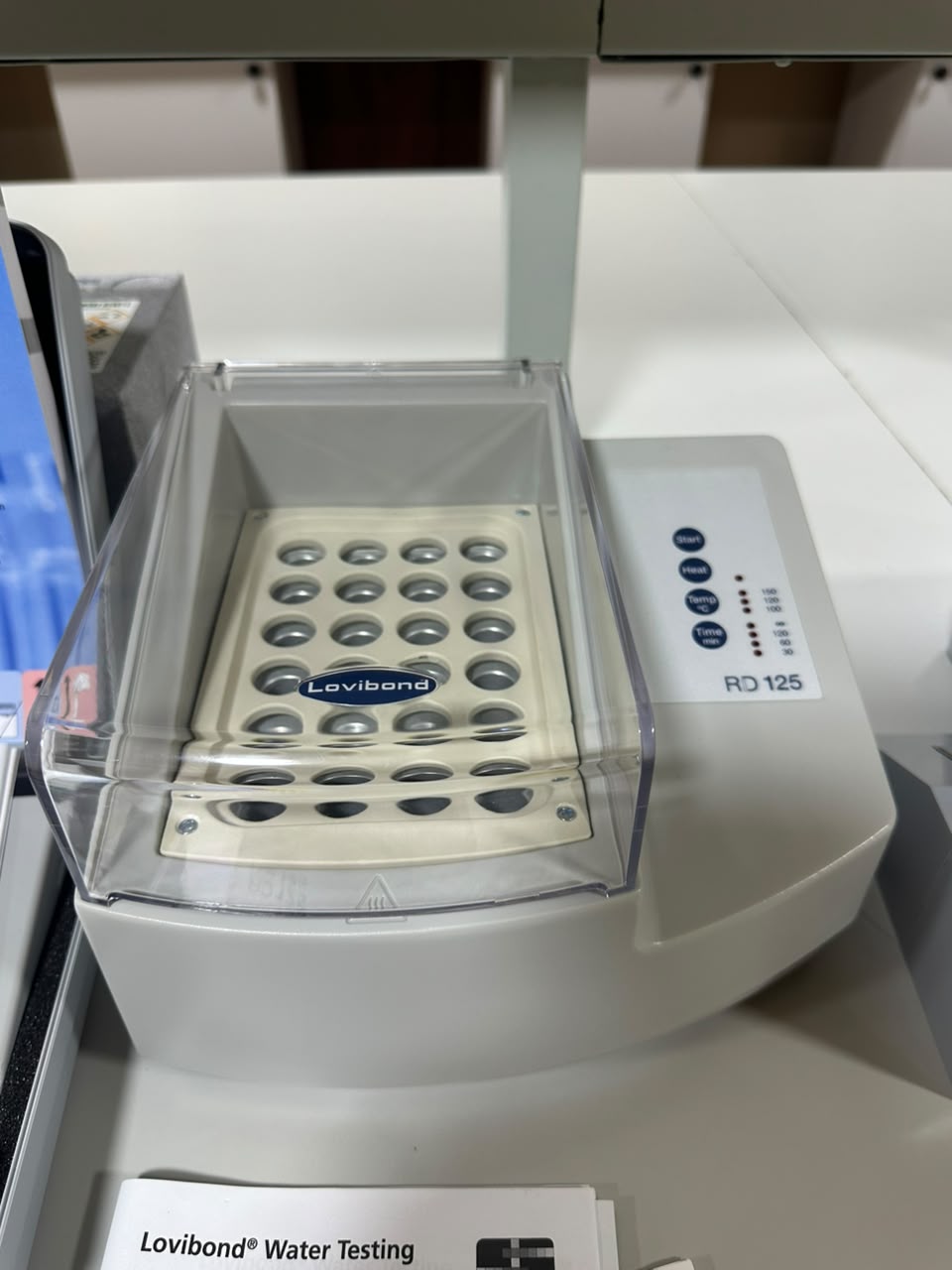
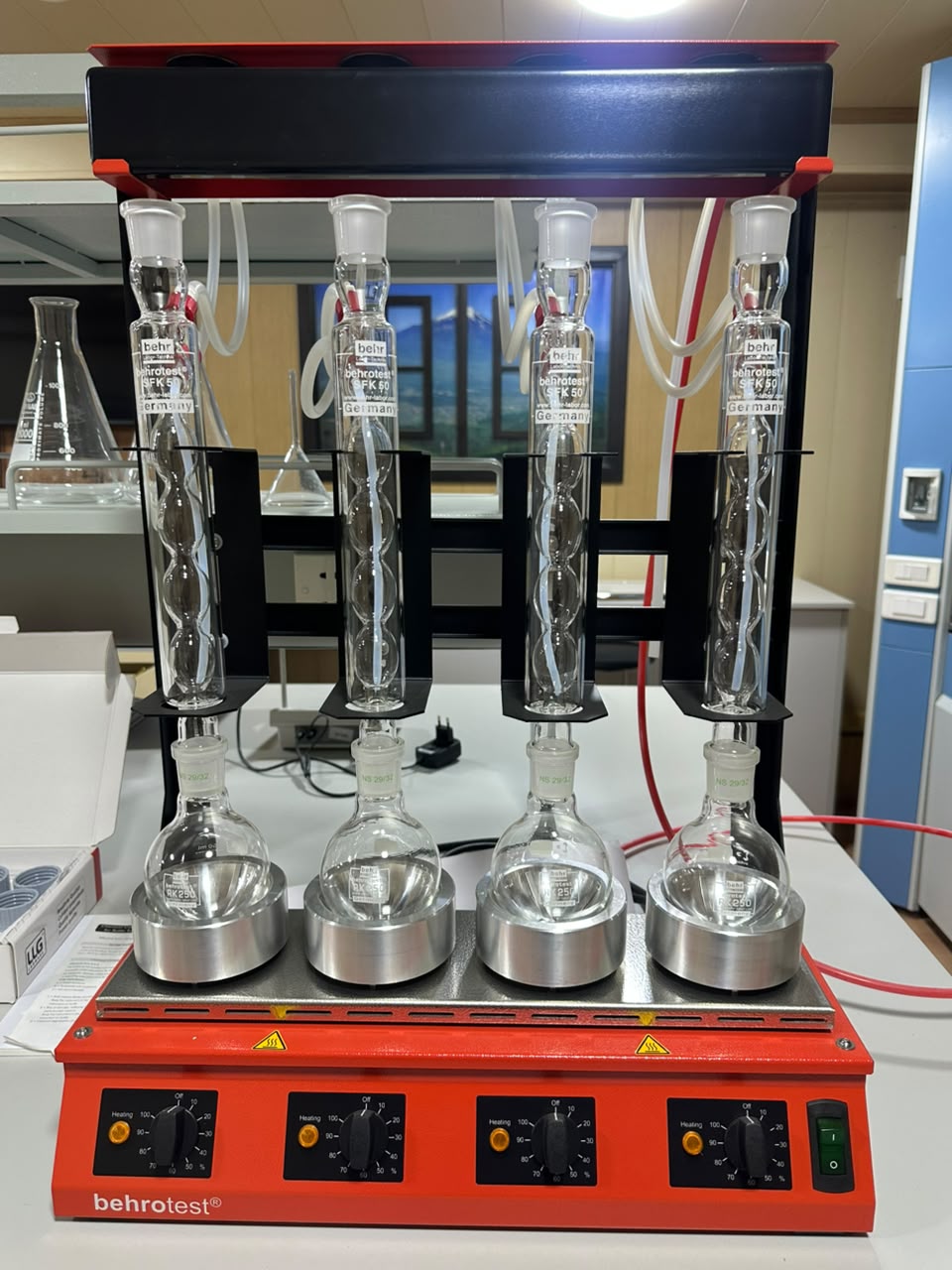
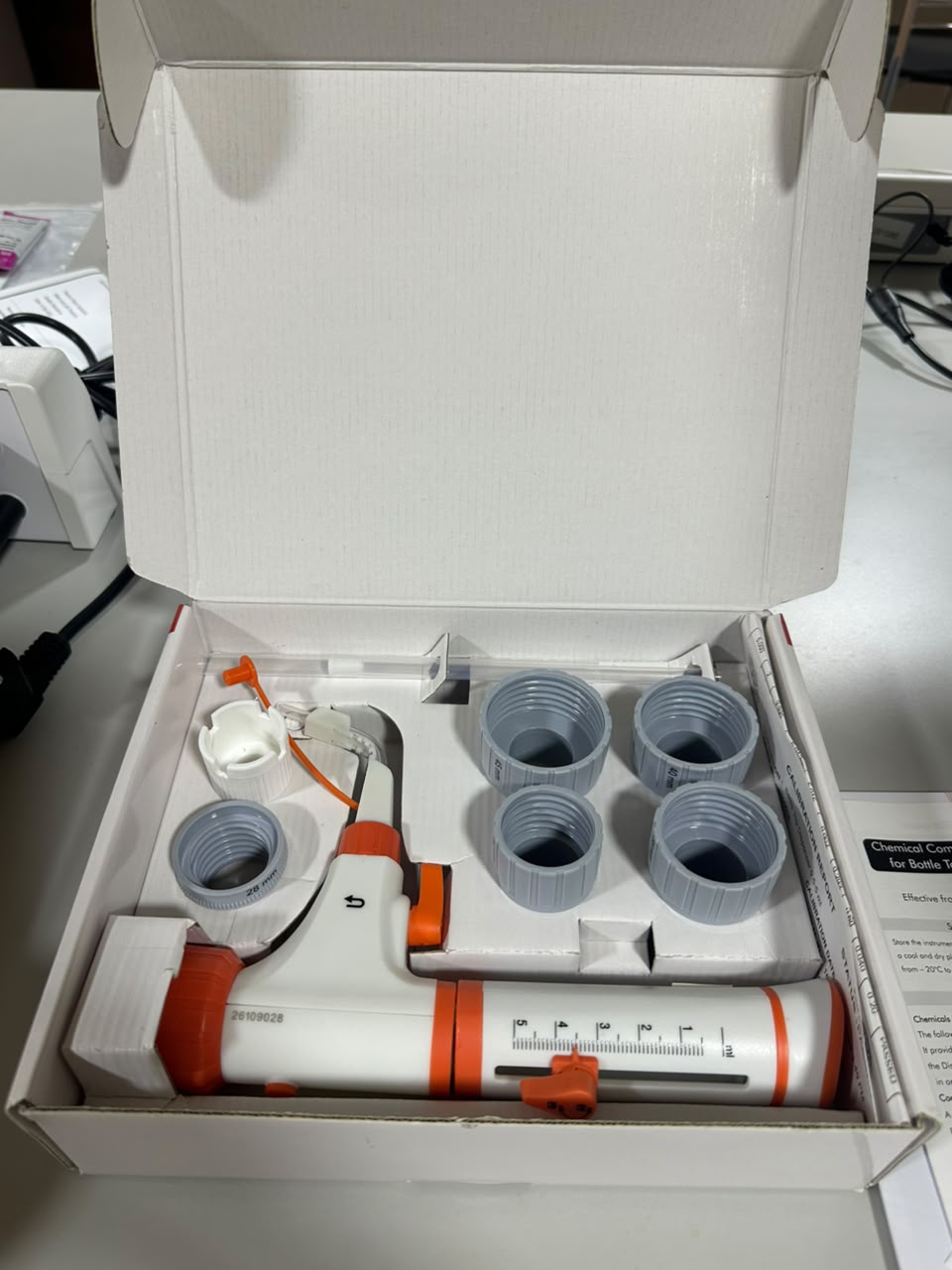
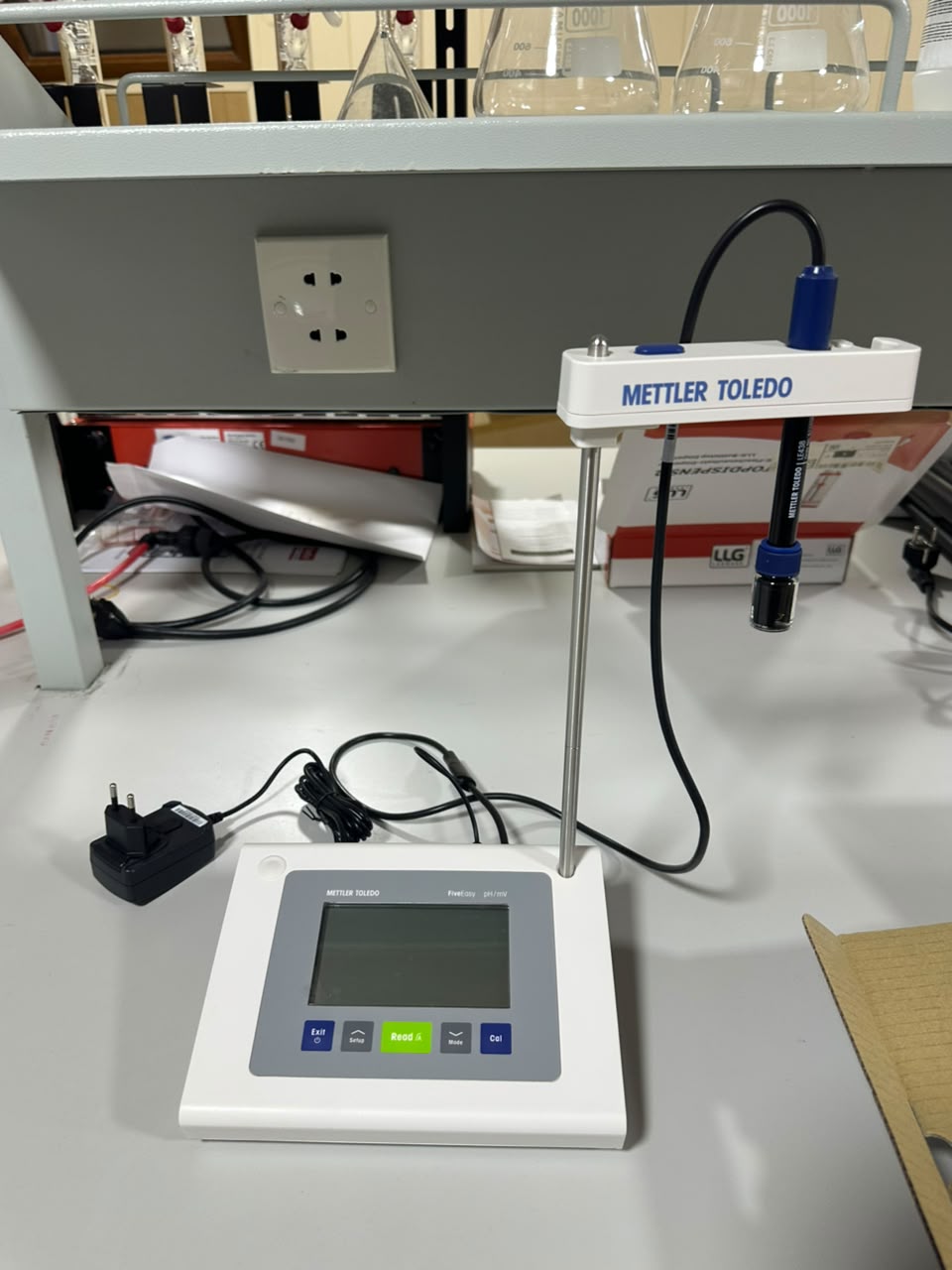
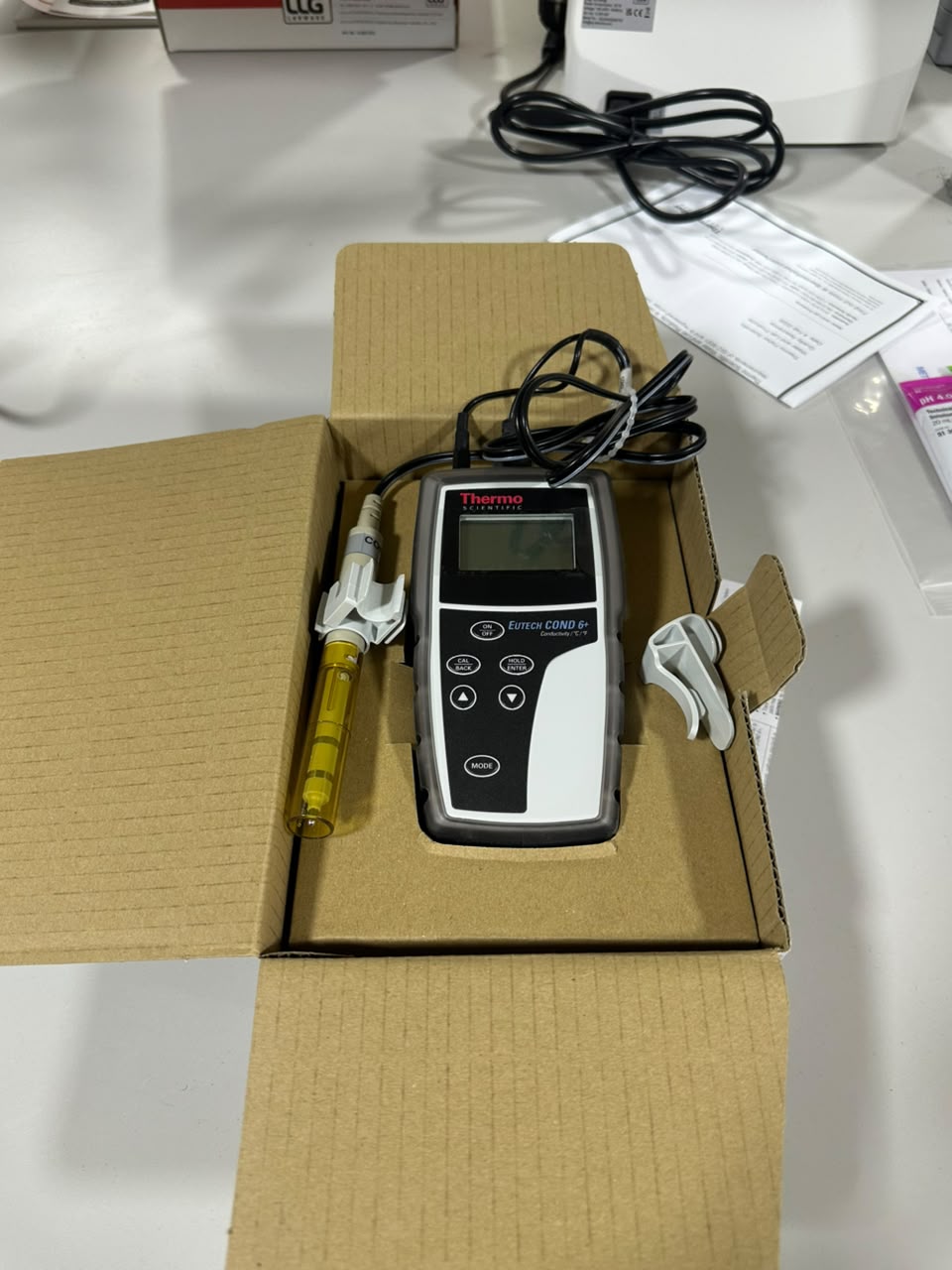
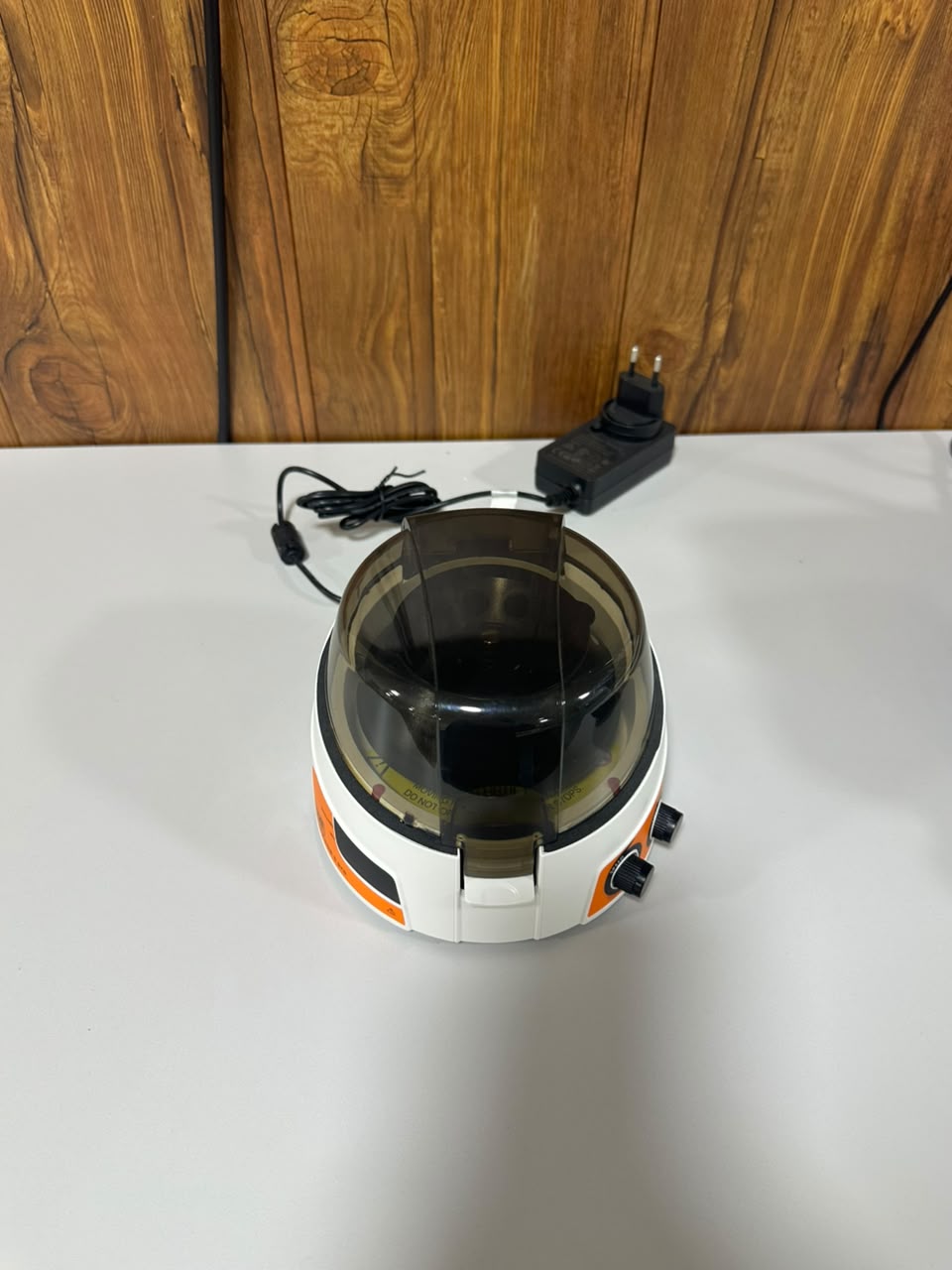
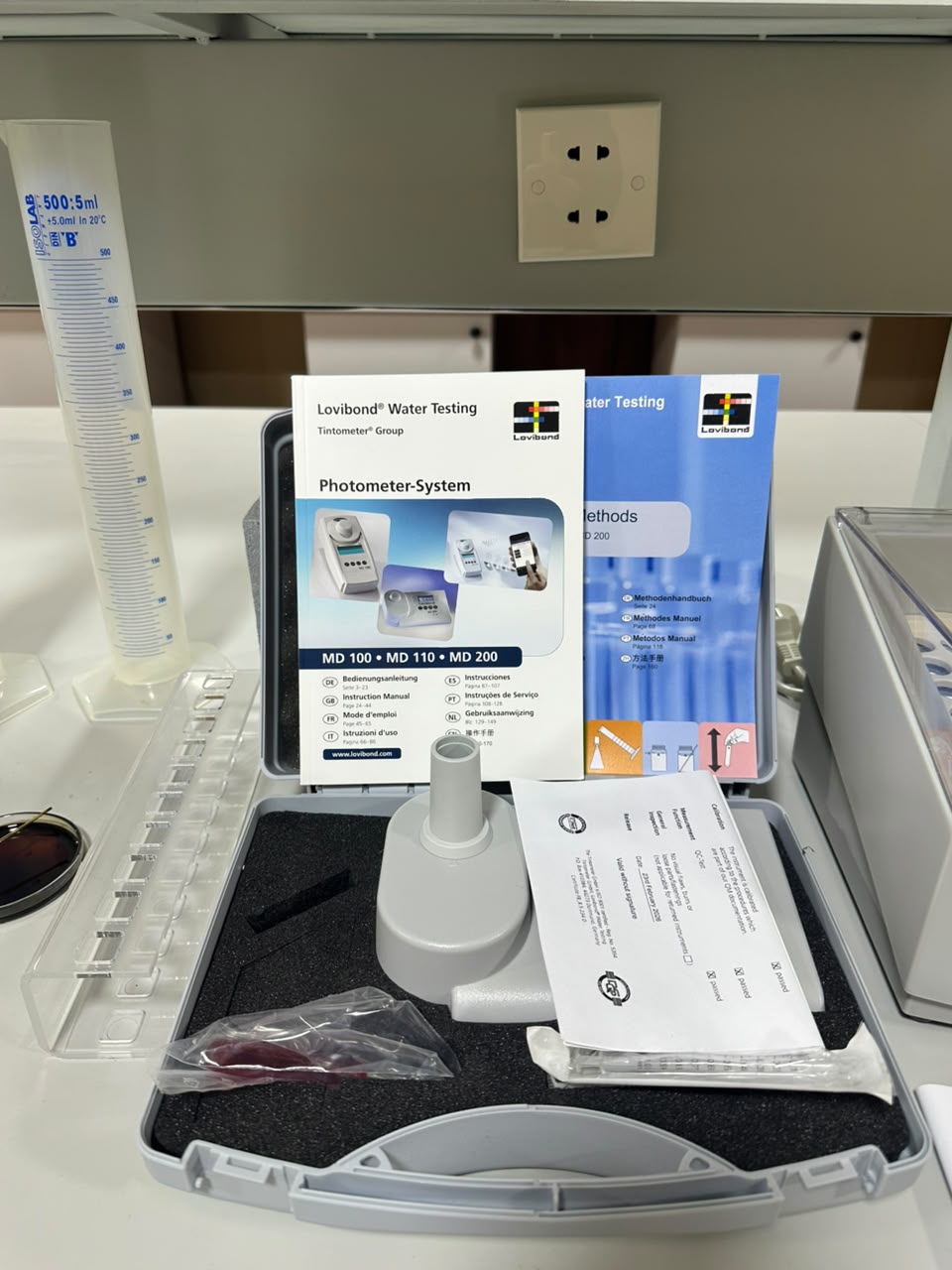
• Modernization of Instruments and Equipment: Integrating advanced analytical instruments (refractometers, spectrophotometers, chromatography systems) into the laboratory infrastructure.
• Implementation of International Standards: Providing practical training on ISO 22000 and HACCP food safety management systems for students and local producers.
• University-Industry Collaboration: Providing contracted analysis, expertise, and R&D (Research and Development) support for local food enterprises and government agencies (such as AFSA and AFSITI).
• Participation in Scientific Grants and Projects: Submitting fundamental and applied research proposals to local (Science Fund) and international (Horizon Europe, Erasmus+, etc.) grant programs.
Main Research Directions
Our laboratory conducts research across four main areas that address the most pressing challenges in food science:
1. Food Safety and Quality Control
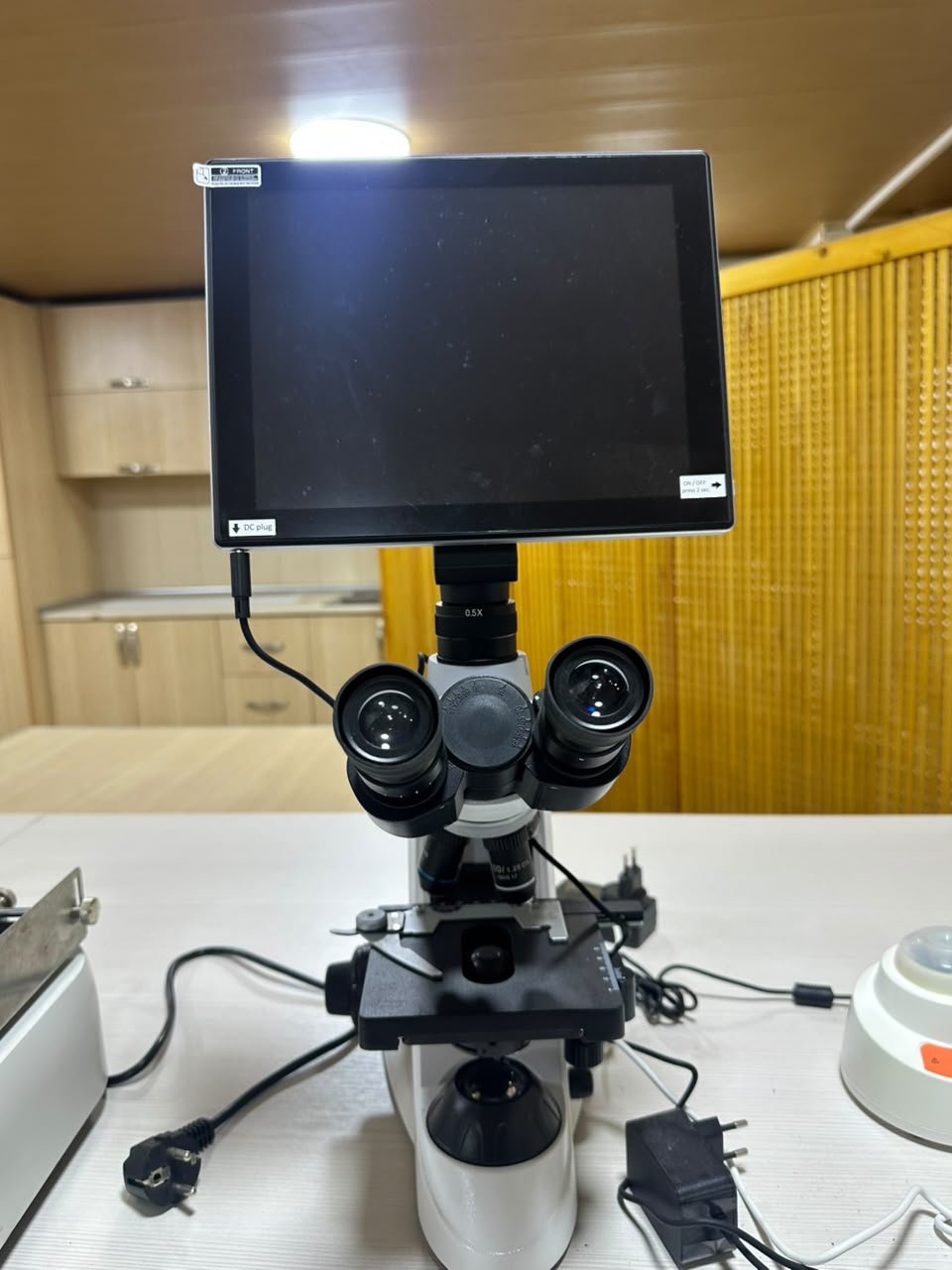
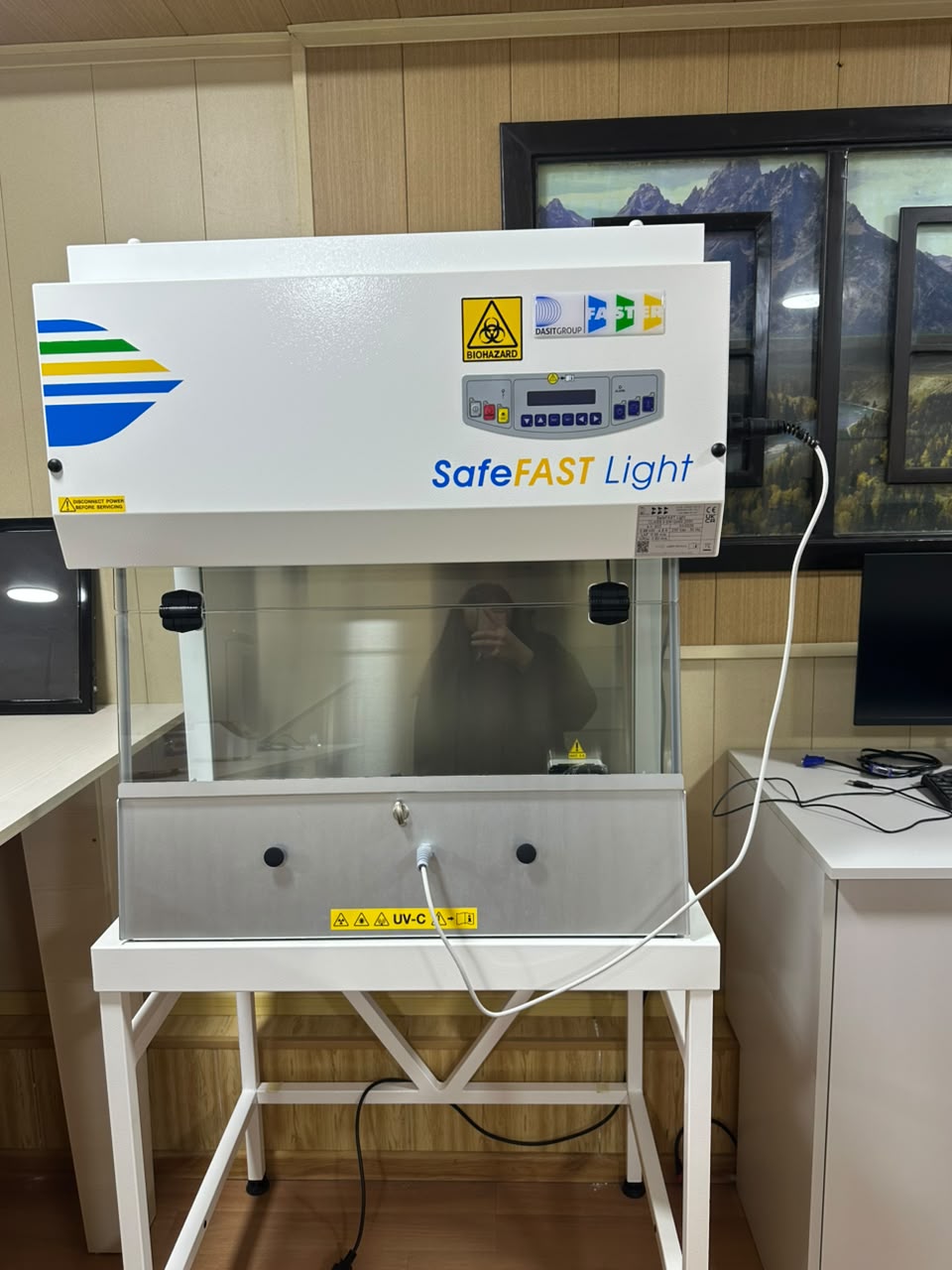
Analyzing microbiological, chemical, and physical parameters of food products, and detecting toxins, heavy metals, and pathogenic microorganisms using express methods.
2. Innovative Food Technologies and Biotechnology
Formulating functional and dietary foods, researching alternative protein sources, and optimizing enzymatic processes in food biotechnology.
3. Agricultural Product Processing and Waste-Free Production
Developing efficient processing methods for local raw material resources and extracting bioactive substances (antioxidants, pectin, etc.) from food industry waste.
4. Smart and Biodegradable Packaging Systems
Synthesizing "smart" nanocomposite packaging materials that extend product shelf life, cause no environmental harm, and visually indicate food freshness.