Western Caspian University

Teachers

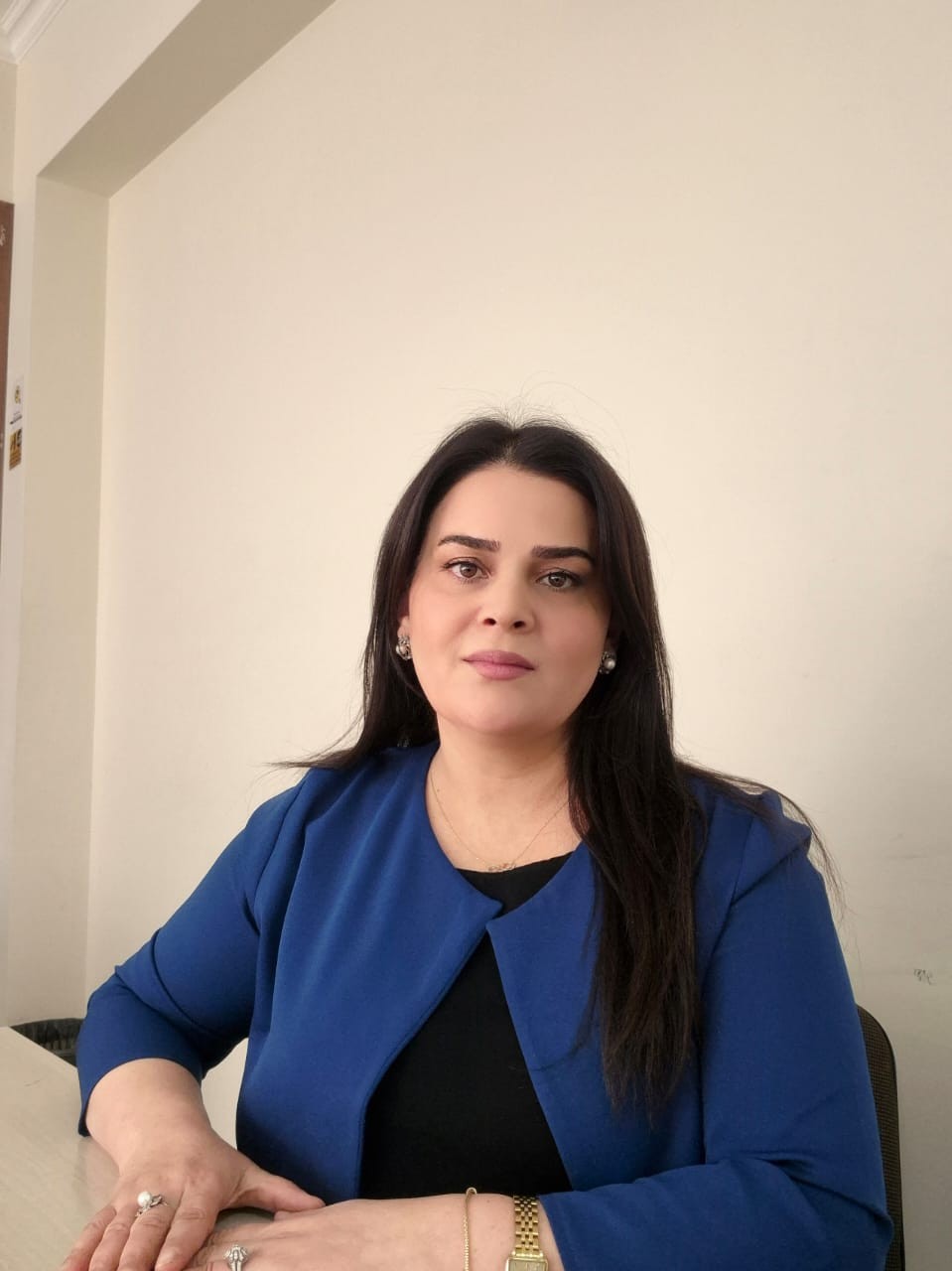
Adila

Adila  Asadova

School of Philology and Translation

Doctor of Philosophy in Philology, Associate Professor, Dean of the School of Philology and Translation

Adila Yagub qizi Asadova was born on February 17, 1972, in Baku. In 1988, she graduated from Secondary School No. 54 named after Abdulla Shaig in the Nasimi district of Baku. The same year, she was admitted to the Faculty of Philology (Azerbaijani Language and Literature) at Baku State University and graduated in 1993. In 1993, she began working as a part-time Azerbaijani language teacher at the College of High Diplomacy and, in 1994, started as an instructor in the Information and Publishing Department of the Red Crescent Societys Baku Regional Center. Since 1999, she has held various positions at Western Caspian University, including lecturer, senior lecturer, head of department, and dean. In 2008, she earned her PhD in Philology, and in 2010, she was awarded the title of Associate Professor by the Supreme Attestation Commission under the President of the Republic of Azerbaijan. She currently serves as the Dean of the School of Philology and Translation at Western Caspian University. Academic and Methodological Works (Selected): The Problem of the Case Category of the Noun in the Azerbaijani Language // Investigations-2, Institute of Linguistics named after Nasimi, ANAS, Baku, Elm, 2003 The Nominative Case of the Noun // Investigations-4, ANAS, Baku, Elm, 2003 Usage Forms of the Genitive Case // News of ASPU, Humanities and Natural Sciences Series, Baku, 2004 “The Political Legacy of National Leader Heydar Aliyev is Azerbaijans Future” // Scientific-Practical Conference, Western University, 2004 The Position of the Azerbaijani Language Among Turkic Languages // Institute of Linguistics, ANAS, 2004 Curriculum for the “Modern Azerbaijani Language” course, Baku, 2005 Research on the Case Category in Azerbaijani Linguistics // Investigations-3, ANAS, 2006 The Syntactic Position of the Genitive Case in Azerbaijani // Investigations-1, ANAS, 2006 The Place of the Case Category in the System of Grammatical Categories // Investigations-4, ANAS, 2007 The Accusative Case in Azerbaijani // Issues of Philology, Institute of Manuscripts named after M. Fuzuli, ANAS, 2007 Grammatical Cases in the Azerbaijani Language (scientific monograph), Baku, 2009 Methods for Enriching Students Azerbaijani Lexical Reserve, Baku, 2009 Functional Styles in Modern Azerbaijani, Baku, 2009 On Grammatical Categories Again // Issues of Philology, Science and Education, 2010 Heydar Aliyev on the Azerbaijani Language // Scientific News, Western University, 2011 Nature and Environment Themes in Azerbaijani Literature and Journalism, ADPU, 2013 Curriculum for “Modern Azerbaijani Language”, Baku, 2014 Curriculum for “Azerbaijani Language and Speech Culture”, Baku, 2016 Azerbaijani Verb (methodical manual), Baku, 2018 Introduction to Linguistics (Course Program), Baku, 2018 Practical Azerbaijani (Course Program), Baku, 2018 Rhetorical Figures // Scientific News, Western Caspian University, Baku, 2018 Languages of the Shahdag Group // International Conference, Western Caspian University, 2019 Modern Azerbaijani Language (Course Program), Baku, 2019 Azerbaijani Onomastics (Course Program), Baku, 2020 Stylistics and Speech Culture in Azerbaijani, Baku, 2020 General Linguistics (Course Program), Baku, 2020 “Language and Culture” (Thesis) IV International Conference on Awareness, Canakkale, Turkey, 2020 “Language and Culture” (Article), Homeros Journal, Turkey, 2021 V International Conference on Awareness, Turkey, 2021 – “Language and Speech Styles” (Thesis) Stylistic Features of the Grammatical Quantitative Category of a Noun in the Azerbaijani Language // Vegueta, Spain, 2022 Styles in Language and Speech // Issues of Philology No. 11, Institute of Manuscripts named after M. Fuzuli, ANAS, 2024

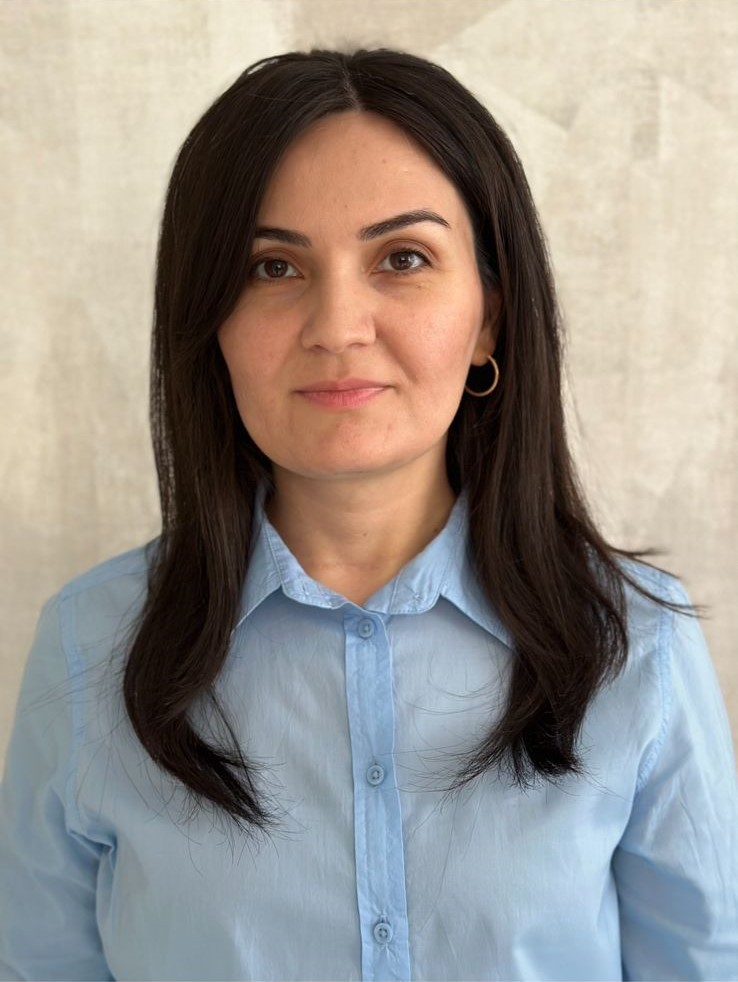
Gulsara

Gulsara  Aghayeva

School of Philology and Translation

Head of English Language and Translation Department, English Language and Literature Department

Gulsara Vahid qizi Aghayeva was born in 1990 in Baku. In 2008, she graduated from Secondary School No. 82. That same year, she was admitted to the Faculty of Translation (English-Azerbaijani) at Azerbaijan University of Languages, and graduated in 2012. In the same year, she was admitted to the masters program in Translation (English-Azerbaijani) at Baku Slavic University and completed it with distinction in 2014. In 2013, she began working as a translator at the Nizami Ganjavi Institute of Literature of the Azerbaijan National Academy of Sciences. Later, she held the position of senior specialist in the “Scientific Information and Translation” department. In 2018, at her own request, she resigned from her position and began working as a translator at the “Report” Information Agency. In 2021, again at her own request, she left that position and started working as a translator at the “APA” Information Agency. In 2023, she began teaching as a part-time instructor at the Department of English Language Teaching Methodology at Azerbaijan University of Languages. She is currently working as head and lecturer of the Departments of English Language and Translation, as well as English Language and Literature at Western Caspian University. Scientific-methodical work: Documentation and Terminology – Approved by the Ministry of Science and Education of the Republic of Azerbaijan by order dated 22.02.2024, No. 3-29/32-697/2024. Fundamentals of Professional Translation – Approved by the Ministry of Science and Education of the Republic of Azerbaijan by order dated 22.02.2024, No. 3-29/32-697/2024. Interpretation – Approved by the Ministry of Science and Education of the Republic of Azerbaijan by order dated 22.02.2024, No. 3-29/32-697/2024. Translation and Comparative Stylistics – Approved by the Ministry of Science and Education of the Republic of Azerbaijan by order dated 22.02.2024, No. 3-29/32-697/2024. Translation Theory – Approved by the Ministry of Science and Education of the Republic of Azerbaijan by order dated 22.02.2024, No. 3-29/32-697/2024.

Azad

Azad  Mammadov

School of Philology and Translation

PhD in Philology

Azərbaycan Pedaqoji Xarici Dillər  İnstitutu  (1979 – 1984) Azərbaycan Pedaqoji Xarici Dillər  İnstitutu  (1985 – 1989) Moskva Dövlət Xarici Dillər  İnstitutu  (1990) Dissertasiya mövzusu “The construal role of English articles in text”, researched under supervision of Prof. L.A. Chernyakhovskaya 1) Дейктические особенности некоторых английских наречий в дискурсе.The Deictic peculiarities of some English adverbs in discourse Вестник Московского Государственного Лингвистического Университета, Вып.553,2009, The Journal of Moscow State Linguistic University, Issue 553, 2009 2) The issue of plurilingualism and language policy in Azerbaijan. In. Sociolinguistics in Azerbaijan: New Perspectives of Language and Society(ed. J.Garibova and K. Zuercher), International journal of the Sociology of Language. 198. Berlin, New York: Mouton de Gruyter, 2009 3) Metaphors in the American and Russian political discourse. RASK Journal, 4, Institute of Language and Communication, the University of Southern Denmark, 2010 4) Diskurs təhlilinin koqnitiv perspektivləri. The cognitive perspectives of discourse analysis. Çaşıoğlu, Bakı, 2010, Baku: Chashioglu, 2010 5) Discourse and translation: functional-cognitive approach. Letterpress, Baku, 2012 6) Perspectives of conceptualization in political discourse. International Conference Cognitive linguistics in 2012 , University of Wroclaw, 2012 7) Political discourse between global and local knowledge. SALC IV, Joensuu, University of Eastern Finland, 2013, (co-author M. Mammadov) 8) Deictic representations of person in media discourse. International Conference on Grammar and Text, University of New Lisbon, 2013 9) The role of figurative language in political discourse       Article In: From Conceptual Metaphor Theory to Cognitive Ethnolinguistics. Patterns of Imagery in Language, Series: Studies in Language, Culture and Society, Frankfurt am Main:  Peter Lang, 2014 10) Diskurs tədqiqi. BDU, Bakı, 2013. Baku State,  University press, 2013, First edition 11) Rhetoric parameters of conceptualization across languages and genre. 5th UK Cognitive Linguistics Conference, Lancaster University, 2014 12) Deictic representation of person in media discourse. Papers in Pragmatics, Berlin-New-York: De Gruyter, 2014 13) Subjectivity of discourse and translation: functional-cognitive approach. Asia-Pacific Forum on Intercultural and Translation Studies, Durham University, Octiber, 2015 14) Diskurs tədqiqi. Discourse studies. Text-book   BDU, Bakı, 2016 Baku State,  University press, 2016, Second edition 15) Дискурсивные исследования. Опыт Анализа. Lambert Academic Publishing, 2016 16) Subjectivity of discourse and translation: functional-cognitive approach. Asia-Pacific Intercultural and Translation Studies Journal, London: Routledge, Taylor & Francis Group 17) Məqalə. İnformation structure of text and translation revisited,Tərcümə elm və incəsənət kimi məqalələr toplusu,Qərb Universiteti,Bakı 2017 18)Tezis . Contextualizing and conceptualizing time, space and person in political discourse          Book of Abstracts. 8th Lodz Symposium“New Developments in Linguistic Pragmatics”, 15-17 May  2017, Lodr University 19)Tezis . Changing role of English in the contemporary world.       22nd International Conference: IAWE Local and Global Contexts of World Englishes June 30-July 2, 2017, University of Suracuse. 20)Dərslik.Studies in Text and Discourse,Newcastle-upon-Tyne:Cambridge Scholars Publishing,2017 21)Tezis . The translator in the discourse of European integration 1st World Translation Studies Congress, University of Western Paris, Nauterre, La Defence, 2017

Alla

Alla  Bayramova

School of Philology and Translation

Doctor of Science in Art Studies

Born in Baku, graduated from Baku Music Academy, Faculty of History and Theory of Music, got Ph.D. degree in musicology (2004), Doctor of Sciences degree (2022). Director of the State Museum of Musical Culture of Azerbaijan. Associated Professor, Western Caspian University. Honoured Culture Worker of Azerbaijan. A member of the International Council of Museums (ICOM), where she was elected into the boards of some international committees; a member of The International Association of Word and Music Studies (WMA); a member of The Composers’ Union of Azerbaijan. She has initiated and organized several international conferences. Author of over 130 publications on history of culture, museum studies, literature, Azerbaijani music, intermedial studies, interrelations of music and literature.    Translation of Different Cultural Contexts is a 60-hour practical course for Azerbaijani or Russian speaking students specialized in English philology and translation from|to English, future translators, for whom English is a foreign language and who seek to broaden their intellectual horizon and professional skills through studies of the peculiarities, methods and ways of translation of texts on culture, i.e. related to visual arts, music, religion, literature, applied art, philosophy, etc. 1.Azerbaijani Traditional Musical Instruments: Problems of Interpretations   of   Texts  and Iconography // Materials of  the 3 rd  Mugham Symposium.   Baku. 2013. 2.Животные в поэме «Лейли и Меджнун» // Вопросы искусствоведения и культурологии. «Сибак» Новосибирск. 2013. С. 172-183. 3.Baku in the Memories and works of  Musicians and Men of   Letters //Abstracts. ICOM General Conference.Rio de Janeiro, 2013 5.Литература в жизни и творчестве Кара Караева //«Музыкальная академия»,Москва,  № 3, 2013, с. 96-103. 6.Musiqi əsərinə mətn mane olanda // “Musiqi dünyası” 4/57. s. 31-32. 2013. 7.Животные в поэме «Лейли и Меджнун» Низами Гянджеви // «Мусиги  дунясы» 2013, 3/56. с.108-112. 8.Məcnun Kərimin xatirəsinə “Azərbaycan musiqi   mədəniyyətinə ağır itki üz vermişdir” // “Musiqi  dünyası”  4/57, 2013, s. 117- 118. 9.Baku in the Memories and Works of  Musicians and  Men of  Letters /Azərbaycan  Dillər Universiteti. Elmi  xəbərlər. Bakı. 2013, №-4, s.217-222.   1.Музыка у Низами и Шекспира // Павермановские чтения. Литература. Музыка. Театр. Вып.2. Под ред. О.Н.Турышевой, 2014, Издательский Дом «Ажур», Екатеринбург, -233. С.15-28. 2.“Ən  yüksək  mükafat  xalğın  sevgisidir”.  Heydər  Əliyev  Fondunun    Prezidenti, Azərbaycan   Respublikasının   Birinci  xanımı, millət  vəkili  Mehriban  xanımın  ad  gününə  yazılmış   məqalə // “Xalq”  qəzeti.  23.08.2014 3.«Поэмы  Низами  Гянджеви в констексте  взаимоотражения  искусств». Монография. Изд. «E.L.» ООО, Баку, 2014. - 152 с. 4.How Can Museum Instruct Musical Instruments Makers? – From the  Experience ofState Museum of Musical Culture of Azerbaijan / CIMCIM Conference “Collectors at Music Museums – Reasons and Means”. The Nordic countries, 24-31 August 2014. Abstracts, p.15. 5.Страницы истории российской культуры в материалах Государственного музея музыкальной культуры Азербайджана / Музыкальное наследие в современном обществе. Москва, 2014.-496c. S.161-166 6.Детский и юношеский опыт творца в его произведениях / Qərb universitetinin elmi xəbərlər. Humanitar elmlər seriyası. Say 2, 2014. S.124-130. 7.Türklerin medeni mirasını yorumlama hakkında // “Dede Korkut mirası – Türk halklarının manevi hazinesidir” Uluslararası bilimsel-teoretik konferans bildileri. Алматы, «ARNA», S.146- 154.    1.“Çaykovski Azərbaycanda” / Mədəniyyət.az, may 2015, S.98-104  2.Museum Artifacts Related to the performing Art of the Azerbaijani Traditional Musicians// Abstracts of the CIMCIM Conference. Moscow/St.Petersbug, Russia, 27 june – 2 July 2015.  S.28.  3.Azerbaijani Traditional Musicians Reflected in Literature and Museum Collections / Abstracts of the 43rd World Conference of the International Council for Traditional Music.Astana,  16-22 July, 2015. S. 20-21.  4.Novel, Woodcuts, Film, Music: Pondering over the title of the  Symphony Engravings Don Quixote by Gara Garayev / Materials of the 10th conference of the International Association of Word and Music Studies. 12-16 August. Fordham University,  New York, USA.      1.Особенности караевской интермедиальной транспозиции романа «Дон Кихот» //  Müqaisəli sənətşünaslıq. Red. R.Məmmədova. “Avropa”, Bakı, 2016. S.66-82. 2.Ранний опыт творца, или корни Маугли // Musiqi elmi, mədəniyyəti və təhsilin aktual problemləri. № 1, Bakı, 2016.  3.The Originality of the Implementation of the Animal Theme in the Poem Leyli and Majnun by Nizami Ganjavi // Dil və ədəbiyyat. Bakı, №1, 2016. S.112-117.  4.Literature in a Non-Literary Museum: How do Azerbaijani Composers Respond to Fiction,  Poetry, and Drama // Literature, Music, and Cultural Heritage. Edited by the Board of ICLM.  ICOM, Paris,2016. Pp. 44-51.  5.The Originality of the Implementation of the Animal Theme in the Poem Leyli and Majnun by Nizami Ganjavi // Literature, Music, and Cultural Heritage. Edited by the Board of ICLM.  ICOM, Paris, 2016. Pp. 183-189.  6.Взаимосвязи литературы и музыки как объект исследования // Ədəbiyyat incəsənətin  qarşılıqlı inikası kontekstində. Redaktor A.Bayramova. Bakı, Qərb Universitetinin mətbəəsi, -242s.  7.Азербайджанские композиторы и литература. // “Filologiya məsələləri”,  №8, 2016. С.   167-174 8. Узеир Гаджибеков и литература.// «Musiqi Dünyası», №3/68, 2016. С.63-66. 9.Музыканты и музыка в азербайджанской прозе // «Təsviri və dekorativ-tətbiqi sənət məsələləri”, №1,  2016, с.21-24.     1.Детский читательский опыт в становлении будущих композиторов // Материалы симпозиума «Детство музыкантов: история и современность». Ред.-сост. В.И.Адищев и К.В.Зенкин. Пермь, Пермский государственный гуманитарно-педагогический университет, «Книжный формат», С. 197-204. 2.Music as Hostage of Words, or Shift of Musical Landscape after the End of the Soviet Era // Shaping the Cultural Landscapes: The Role of Writers and Composers’ Museums. ICOM, Paris – Yasnaya Polyana Publishing House, 2017, pp. 31-40. 3.Образы азербайджанской литературы и искусства как символы национального самоутверждения // Материалы международной конференции “Müasir dəyişən dünyada xalqların milli özünüdərk və özünütəsdiq prosesinin aktual problemləri”,Западный университет, Баку, 2017, s.181-190. 4.Should Old Nice Music Be Forgotten?, or On the Problem of Music’s Dependence on Words. Abstract // Abstracts of the Conference Sound of Memory, Music Department: Goldsmith, University of London, 22-24 April, 2017. 5.К проблеме зависимости музыки о слова // Павермановские чтения. Литература. Музыка. Театр. Выпуск 3. Екатеринбург-Москва, «Кабинетный учёный», 2017, с. 9-17. 6.Традиционный музыкальный инструментарий и музыка в азербайджанской поэзии // Материалы VIII Международной научной конференции «Петербург и национальные музыкальные культуры. Петербургское востоковедение: Музыкальные традиции народов Евразии на Великом Шелковом пути». Российский институт истории искусств. (в печати) 7.Смена культурного ландшафта, или Музыке вход воспрещён! //“Музыкальная академия», №3, 2017, c.47-50.   1.Музыка Кара Караева к драме: о её малой изученности и  восстановлении “Mədəniyyət dünyası” jurnalı. Баку, 2018.    

Rasim

Rasim  Heydarov

School of Philology and Translation

Associate Professor, PhD in Philology

Rasim Heydərov Arif – Rasim Arif oğlu Heydərov was born on July 14, 1978, in the village of Şağlaser, Lankaran district. From 1996 to 2000, he studied at the Faculty of Philology of Baku State University. After graduating with honors from the faculty, he entered the masters program and completed it with honors in 2002. From 2002 to 2005, he pursued full-time postgraduate studies at the Institute of Linguistics named after Nəsimi, Azerbaijan National Academy of Sciences. In 2008 he earned the degree of Doctor of Philosophy, and in 2013 he received the title of Associate Professor. Since 2002 he has held various positions at the Institute of Linguistics named after Nəsimi of ANAS. Currently, he is the Head of the Education Department of the Institute. From 2010 he has worked as an Associate Professor at various universities in the Republic, and since 2020 at West Caspian University. Scientific-methodological work: The Role of Linguistic Relations in the Development of Languages. Baku, Elm və Təhsil, 2013, 216 pp. Abbreviations Dictionary. (co‑author) Baku, Elm, 2019, 232 pp. The Emergence of the Concept of Structure in Linguistics. Azerbaijani Philological Thought in the Last Decade, Baku, Baku University Publishing, 2001, pp. 55–56 Determination of Phonology as a Science. Current Problems of Azerbaijani Philological Thought, Baku, Baku University Publishing, 2002, pp. 130–132 On the Causes of Emergence of Interlingual Relations. Tədqiqlər No. 4, Baku, Nurlan Publishing, 2004, pp. 27–39 History of Research on Interlingual Relations Problem. Scientific Searches (Philology, History, Art), Vol. XIV, Səda Publishing, 2005, pp. 114–124 Various Deviations and Cases of Interference in Language during Interlingual Relations. Issues of Linguistics, Baku, Nurlan Publishing, 2005, No. 3, pp. 220–230 Convergence and Divergence. Scientific Searches (Philology, History, Art), Vol. XV, Səda Publishing, 2005, pp. 314–320 Code-switching and Their Role in the Development of Interlingual Relations. Tədqiqlər No. 1, Baku, Nurlan Publishing, 2007, pp. 81–86 Deviations from Norm in Grammar and Cases of Interference in Interlingual Relations. Tədqiqlər No. 2, Baku, Nurlan Publishing, 2007, pp. 90–98 Phonetic Interference. Baku University. Language and Literature. Baku, BSU Publishing, 2007, No. 6 (60), pp. 60–62 Development of Case System in Azerbaijani and Talysh Languages (Historical Aspect). Tədqiqlər No. 3, Baku, Nurlan Publishing, 2009, pp. 135–145 On Interlingual Relations and the Issue of Linguistic Union of Languages in Azerbaijan. Conference of Young Linguist Scientists. Elm və Təhsil Publishing, 2009, pp. 3–6 Azerbaijani Linguistics in the Years of Independence: Problems and Perspectives. Respublika Newspaper, July 20, 2012 (with A. Cəfərov) On Convergent Relations in the Territory of Azerbaijan and the Question of Linguistic Unions. VII International Remote Scientific-Practical Conference “Philology and Linguistics: Modern Trends and Research Perspectives”, Krasnodar, 2012, pp. 26–32 Code‑switching and Bilingualism Phenomenon. International Scientific Conference on Contemporary Problems of Applied Linguistics, Nov 27–28, 2012, Baku, Azerbaijan, pp. 132–134 Lexicographical Problems in Modern Azerbaijani Linguistics. Proceedings of the Institute of Linguistics, No. 3, 2012, pp. 50–55 “Honored Scientists Life.” Philology Issues, No. 4, Elm və Təhsil, 2012, pp. 609–611 Case Category in Azerbaijani and Talysh Languages. Philology Issues, No. 6, Elm və Təhsil, Baku, 2013, pp. 168–173 Language and Style of Ənvər Məmmədxanlıs Stories. Proceedings of the Institute of Linguistics, No. 1, Mütərcim, Baku, 2013, pp. 39–50 Bilingualism and Diglossia as Linguistic Phenomena. Innovation Idea Fair of Young Scientists, Sept 16–20, 2013, pp. 171 Experimental Methods in Conducting Phonetic Research. “Sələflər və xələflər” I International Symposium, Oct 22–24, 2014, pp. 283–286 New Orthography Dictionary and Regulation of Orthographic Norms of Azerbaijani Language. Tədqiqlər No. 2, 2014, pp. 176–182 Ever‑lasting Opponent. Tədqiqlər No. 2, 2016, pp. 19–21 History of Research in Dialect Phonetics. International Conference on “Common Values and New Challenges in Turkic Scholarly-Cultural Movement on the 90th Anniversary of Turkological Congress”, pp. 111–115 Word Order in Talysh Language. Azerbaijani Multiculturalism: Perspectives on the Development of Religious and Language Policy. Sept 8–9, 2016, pp. 53–56 Orthophony Dictionary of Azerbaijani Language (co‑author). Baku, Mütərcim, 2016, 1052 pp. Sədrəddin Bəlağis “Quran Stories” and Their Translation into Azerbaijani Language. Peak of Science (For Möhsün Nağısoylus 70th Anniversary), pp. 140–147 Ağamusa Axundov as the Founder of Experimental Phonetics in Azerbaijani Linguistics. International Conference on Academic Ağamusa Axundovs 85th Birthday, Apr 24–25, 2017, Baku, pp. 251–254 Advantages of Experimental Methods in Researching Dialect Phonetics. Proceedings of the Institute of Linguistics, No. 1, 2017, pp. 29–34 The Role of Heydar Aliyev in the Formation of the Term “Azerbaijani Language.” Proceedings of the Institute of Linguistics, No. 2, 2017, pp. 102–107 Regulation of Orthographic Rules of Azerbaijani Language. Proceedings of the Institute of Linguistics, No. 1, 2018, pp. 118–124 “The Scientist Who Led Me to Science.” On Prominent Azerbaijani Linguist Professor Əbülfəz Rəcəbli. Baku, Zərdabi Publishing‑Polygraphy, 2018, 176 pp., pp. 152–153 On Determining the Principles of Modern Azerbaijani Orthoeppia. ANAS Philology and Arts Science, No. 1, 2019, pp. 176–180 Principles of Classification of Dialects. VI International Symposium on Turkic World Studies, June 13–15, 2019, Baku, pp. 199–202 Toponyms in the Compilation of Descriptive Materials of Caucasus Tribes on the Territory of the Caucasus and Their Study. West Caspian University. Scientific News No. 2, 2019, Baku, pp. 150–155 Software for Experimental Methods in Phonetic Research. 1st International Scientific Conference on Modern Management Trends and the Digital Economy – From Regional Development to Global Economic Growth (MTDE), Yekaterinburg, Russia, Apr 14–15, 2019 (with A. Cəfərov and K. Həbibova), pp. 791–8010 State Support and Language Policy. Republican Scientific Conference Honoring the 70th Birthday of the Distinguished Turkologist Məhəbbət Mirzəliyeva. Baku, Oct 28, 2019, pp. 176–178 Role of Qara Məşədiyev in the Study of Consonants and the Work “Historical‑Linguistic Analysis of Azerbaijani Toponyms (Based on Compilation of Descriptive Materials of Caucasus Tribes)” – Authors and on‑names. Adlıq cümlədən adlara doğru. Baku, Afpoliqraf, 2019, pp. 161–166 Interference as a Linguistic Phenomenon. Interdisciplinary Integration: Linguodidactic, Linguocultural, Psycholinguistic Aspects. International Conference, Sumgait State University, Dec 19–20, 2019, pp. 393–396 Nature of the Linguistic Sign. International Conference Dedicated to İsmayıl Şıxlıs Creativity. Dec 3–4, Baku Eurasia University, pp. 7–11 Language Policy Issues in Azerbaijan in the Era of Globalization. VII International Turkic World Studies Symposium (online), Oct 20–23, 2020, pp. 631–636 Issue of Language Union in the Azerbaijani Territory. Pontocaspian and Caucasus Region: Changes under Ecosystem Integration and Isolation, Phylogeny of Beings, Geology, Ecology, and Geography – Multidisciplinary International Conference (online), Nov 27–28, 2020, West Caspian University Publishing‑Polygraphy Center, Baku, 2021, pp. 540–543 Professor Məsud Mahmudov and Azerbaijani Linguistics. Tədqiqlər 2021, No. 1–2 (with M. Heydarova), pp. 86–88 Əbülfəz Rəcəblis Linguistic Views. Linguistic Studies No. 1, 2021, pp. 95–101 History of Language. Course Program. (For Bachelor-Level Students in “Philology” Specialty Groups). Baku, 2021 Projects: Participant in the project under the Science Development Foundation under the President of the Republic of Azerbaijan: “Development of the vocabulary of the Azerbaijani language, public monitoring of compliance with language norms, preparation of a language data corpus and integration of an electronic system and dictionary” (EIF‑KETPL‑2‑2015‑1(25)‑56/53/5)
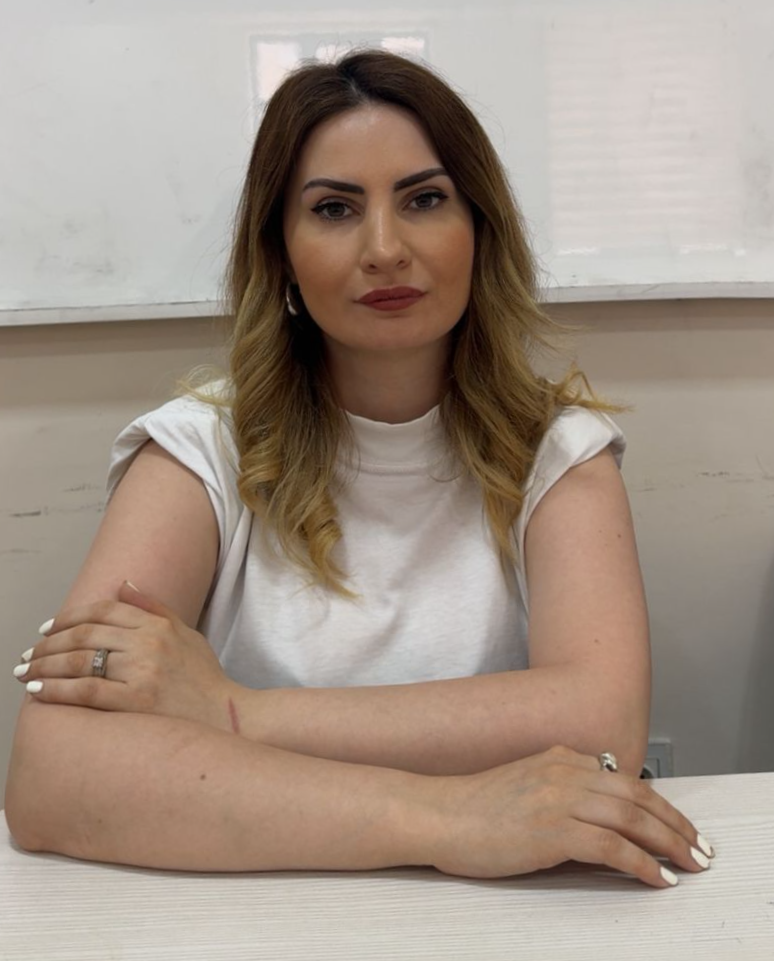
Farida

Farida  Kazimova

School of Philology and Translation

PhD in Philology

Farida Allahyar qizi Kazimova was born on August 14, 1980, in the village of Qadimkend, Neftchala district. In 1997, she graduated from Qadimkend village secondary school. In the same year, she was admitted to the Faculty of Philology at Lankaran State University, where she studied for a bachelors degree from 1997 to 2001, and then for a masters degree at LSU from 2001 to 2003. In 2003, she was appointed as a teacher of Azerbaijani language and literature at the full secondary school in Ashaghy Surra village, Neftchala district. In 2007, she took the same position at the full secondary school in Qadimkend village, Neftchala district. In 2014, she was employed as an Azerbaijani language and literature teacher at “Kaspi” Education Company. From 2006 to 2010, she was a doctoral candidate at the Institute of Folklore of ANAS (Azerbaijan National Academy of Sciences). In 2019, she was awarded the scientific degree of PhD in Philology. Since 2021, she has been working at West Caspian University in the Department of Azerbaijani Language and Literature.   Scientific-Methodical Works: The Image of Khizr Article in "Dede Korkut" Scientific-Literary Collection, III(28). Baku, Nurlan, 2008, pp. 112-118. 7 pages Ritual-Mythological Semantics of Anthroponyms in the "Dede Korkut" Epic Article in "Dede Korkut" Scientific-Literary Collection, I(30). Baku, Nurlan, 2009, pp. 8-14. 7 pages Epic-Mythological Semantics of Toponyms in the "Book of Dede Korkut" Article in "Dede Korkut" Scientific-Literary Collection, I(38). Baku, Nurlan, 2011, pp. 12-24. 13 pages Semantics of Titles and Epithets in the "Book of Dede Korkut" Article in Scientific-Literary Collection on Azerbaijani Oral Folk Literature, XXXIV. Baku, Elm ve Təhsil, pp. 130-141. 12 pages Historical Semantics of Anthroponyms in the "Book of Dede Korkut" Article in ANAS News. Humanities, No. 1, 2015, pp. 187-192. 6 pages Epic Semantics of Anthroponyms in the "Book of Dede Korkut" Article in Scientific-Literary Collection on Azerbaijani Oral Folk Literature, I. Baku, Elm ve Təhsil, 2016, pp. 148-154. 7 pages Epic-Mythological Semantics of Animal Names in the "Book of Dede Korkut" Article in Philology Issues, No. 3. Baku, Nurlan, 2017, pp. 63-71. 9 pages Epic-Mythological Semantics of Bird Names in the "Book of Dede Korkut" Article in Language and Literature. International Scientific-Theoretical Journal, 2(102). Baku State University, 2017, pp. 53-55. 3 pages Historical-Geographical Semantics of Toponyms in the Epic "Kitabi-Dede Qorqud" Article in Khavari Vestnik. Al-Farabi Kazakh National University. Philological Series, No. 3(133), 2011, pp. 40-42. 3 pages Artistic Portraits of Characters in the "Book of Dede Korkut" Contemporary Turkology: Directions of Development and Current Issues. Conference Proceedings. Almaty, May 17-18, 2011, pp. 167-168. 2 pages The Image of “Karachukha” in Azerbaijani Folklore Article in Folklore and Ethnography. Baku, 2015, pp. 43-50. 8 pages "Who Looked at You, My Beloved" (Following a Bayati) Article in Folklore and Ethnography, Baku, 2016, pp. 65-72. 8 pages Historical-Mythological Semantics of Folk Sayings (Based on Selections from Neftchala Folklore) Article in Folklore and Ethnography, No.1-2, 2018, pp. 51-59. 9 pages Molla Panah Vagif – Narrativized History Article in Folklore and Ethnography, Baku, 2017 (1-2), pp. 43-48. 6 pages “Amsali-Turkana” as an 18th Century Literary Monument Article in Folklore and Ethnography, Baku, 2017 (3-4), pp. 82-89. 8 pages Curriculum for the Course “Methodology of Teaching Literature” For Bachelors Degree Program, Major 050201 “Azerbaijani Language and Literature,” Baku, 2021 Curriculum for the Course “Country Studies” For Bachelors Degree Program, Major 050201 “Azerbaijani Language and Literature,” Baku, 2022 Epic Expressions in the “Kitabi-Dede Qorqud” Epic Article in “Ozan” Science and Art Collection, Issue 8, 2023. 5 pages Epic Hero in the “Kitabi-Dede Qorqud” Epic Methodical Guide for Bachelors Degree Program, Major 050201 “Azerbaijani Language and Literature,” Baku, 2023. 54 pages Azerbaijani Dialectology Curriculum for Bachelors Degree Program, Major 050201 “Azerbaijani Language and Literature,” Baku, 2023 Folklore Studies Curriculum for Bachelors Degree Program, Major 050201 “Azerbaijani Language and Literature,” Baku, 2023 Traces of the “Kitabi-Dede Qorqud” Epic in Zangazur Toponyms Conference Proceedings, The History and Geography of Zangazur, II International Scientific Conference, March 15, 2024, pp. 152-154 Proverbs and Folk Sayings in the Works of M. Fuzuli: Features of Usage Conference Proceedings, M. Fuzuli and Eastern Folklore, Republican Scientific Conference Proceedings, Baku, “Elm ve Təhsil,” 2024, pp. 231-243 Linguistic-Stylistic Features of Iraqi Turkmen Folklore Conference Proceedings, International Scientific Conference on “Iraqi Turkmen Folklore and Literature,” Baku, “Elm ve Təhsil,” 2024, pp. 263-272 Functional Semantics of the Images of State and Ruler in Folklore Conference Proceedings, Republican Scientific Conference Dedicated to the “Year of Constitution and Sovereignty,” on the Theme “National Statehood and Folklore,” May 26, 2025

Gunay

Gunay  Valibeyli

School of Philology and Translation

Lecturer

Gunay Valibeyli was born on July 23, 1993, in Saint Petersburg, Russian Federation. In 1999, she enrolled in School-Lyceum No. 299 in the Bilajari settlement of Baku and graduated with distinction in 2010. That same year, she was admitted to the Faculty of Philology (English) at Baku Slavic University and graduated with honors in 2014, earning the title of Distinguished Graduate. In 2014, she was accepted into the masters program at the Faculty of Philology and Journalism of Azerbaijan University of Languages, majoring in Literary Studies (English and American literature), which she completed in 2017. In 2015, she was awarded a masters scholarship within the Erasmus Mundus Alrakis II Project and studied for one year at the University of Tuscia (Università degli studi della Tuscia) in Italy, graduating with honors in 2016. Since 2019, she has been working as a lecturer at the Department of English Language and Literature at Western Caspian University. Since the beginning of her academic career, she has actively participated in various international conferences and training programs. Academic Publications: Grotesque and Artistic Postmodern Techniques in Martin Amiss Money: A Suicide Note. Issues in Philology, “Science and Education”, No. 4, pp. 395–403, Baku, Azerbaijan. Archetypical and Psychoanalytical Review of Disgrace by J.M. Coetzee. Issues in Philology, “Science and Education”, No. 12, pp. 311–321, Baku, Azerbaijan. ISSN 2224-9257. Postmodernism and Religion in Cats Cradle by Kurt Vonnegut. Kafkars Eğitim Yayınları, pp. 70–76, Georgia, Tbilisi. ISBN 978-605-74702-1-8. The Use of Grotesque in Postmodern Style in Martin Amiss Literary Works. Kafkars Eğitim Yayınları, pp. 74–80, Turkey, Kars. ISBN 978-605-74702-5-6. The Motif of Karabakh in Nariman Hasanzadehs Works. Western Caspian University. Baku, Azerbaijan. The History and Theory of Dark Humour and Its Description in Martin Amiss Novels. SONÇAĞ Publishing, pp. 143–162, Ankara, Turkey. ISBN 978-625-7604-26-0. Manifestations of the Oedipus Complex in Literature. Kafkars Eğitim Yayınları, pp. 79–83, Ankara, Turkey. ISBN 978-605-74702-6-3. Inferiority Complex in Psychoanalysis and Its Manifestations in Literature. Kafkars Eğitim Yayınları, pp. 95–100, Tehran, Iran. ISBN 978-605-74702-8-7. Narcissism in Psychoanalysis and Its Manifestations in Literature. Kafkars Eğitim Yayınları, pp. 59–63, East Lansing, Michigan, USA. ISBN 978-605-74249-1-4. Myth and Intermediality in Toni Morrisons Literary Works. Kafkars Eğitim Yayınları, pp. 129–133, Gothenburg, Sweden. ISBN 978-605-74249-3-8. The History and Classification of Grotesque in Literature. BUTA International Journal of Scientific Research, Vol. 2/3, 2021, pp. 75–80, Kars, Turkey. ISSN 2717-7661. The History and Classification of Black Humour in Literature. Kafkars Eğitim Yayınları, pp. 95–100, Saint Petersburg, Russia. ISBN 978-605-74249-8-3. Manifestations of Multicultural Diversity in American Literature. Kafkars Eğitim Yayınları, pp. 75–80, Stockholm, Sweden. ISBN 978-605-74249-9-0.

Ilaha

Ilaha  Huseynova

School of Philology and Translation

Lecturer

Ilaha Huseynova Elshan, was born on May 28, 1995, in Baku. In 2012, she graduated from Secondary School No. 252 and was admitted to the Faculty of Philology and Translation at Azerbaijan University of Languages the same year. She completed her undergraduate studies in 2016. From 2016 to 2018, she pursued a masters degree at the Faculty of Linguistics at the same university and successfully defended her thesis on the topic “The Problem of Vertical Context in Emosemantic Phraseologisms.” She specializes in English translation.   Scientific-methodical work:   Emosemantic Phraseologisms in the Azerbaijani Language as an Expression of Vertical Context (Article) – Journal of Foreign Languages in Azerbaijan, Baku, 2018. Non-Historical Vertical Context in Emosemantic Phraseologisms in the English Language (Article) – Scientific News of Western Caspian University, Baku, 2020. Sight Translation of Written Texts (Curriculum) – Approved by the Ministry of Science and Education of the Republic of Azerbaijan, Order No. 3-29/02-609/2024, dated 15.02.2024. Business and Academic Communication in a Foreign Language (Curriculum) – Approved by the Ministry of Science and Education of the Republic of Azerbaijan, Order No. 3-29/02-609/2024, dated 15.02.2024. Basic Translation Skills (Curriculum) – Approved by the Ministry of Science and Education of the Republic of Azerbaijan, Order No. 3-29/02-609/2024, dated 15.02.2024. Written Translation (Curriculum) – Approved by the Ministry of Science and Education of the Republic of Azerbaijan, Order No. 3-29/02-609/2024, dated 15.02.2024.

Jala

Jala  Ganiyeva

School of Philology and Translation

Lecturer

Jalə Elman qizi Qəniyeva was born in 1984 in Baku. From 1991 to 2001, she received her secondary education at Secondary School No. 283 in the Binagadi district. Between 2001 and 2005, she studied at Baku Slavic University, Faculty of Philology (Azerbaijani Language and Literature). From 2009 to 2011, she pursued her masters degree at the same university. In 2014, she entered the doctoral program at Baku Slavic University. Since 2017, she has been working as a lecturer at Western Caspian University. Scientific and Methodological Works: J. E. Qəniyeva, “Ways of Formation of the Manner-Action Adverb in Azerbaijani Language”, Baku Slavic University Scientific Papers (Language–Literature series) No. 10, pp. 6–9, Feb 2009. J. E. Qəniyeva, “Adverbs of Correction in Azerbaijani and Turkish Languages”, I International Scientific Conference dedicated to the 87th birthday of National Leader H. Aliyev (May 3–8, 2010), Baku–Nakhchivan–Ganja, pp. 369–372. J. E. Qəniyeva, “A View on the History of Adverb Studies in Azerbaijani and Turkish Languages”, I International Scientific Conference dedicated to the 88th birthday of H. Aliyev (May 4–7, 2011), Baku–Nakhchivan–Ganja, pp. 379–383. E. Ə. Şükürlü & J. E. Qəniyeva, “Postposition in Old Turkic Written Monuments”, Azerbaijan University of Languages Scientific News No. 3, pp. 234–238, Oct 2011. J. E. Qəniyeva, “Simple and Compound Adverbs in Azerbaijani and Turkish”, Taghiyev Readings 2011, pp. 43–49, Apr 2012. J. E. Qəniyeva, “Ways of Enriching the Lexical Composition of Azerbaijani Language during the Independence Period”, III International Scientific Conference dedicated to the 89th birthday of H. Aliyev (May 1–5, 2012), Baku Slavic University, pp. 401–403. J. E. Qəniyeva, “Somatic-Component Units in Azerbaijani”, I International Scientific Conference of Young Researchers dedicated to the 90th birthday of H. Aliyev (Apr 25–27, 2013), Caucasus University, pp. 440–442. J. E. Qəniyeva, “Somatic-Component Phraseological Combinations in Modern Azerbaijani”, IV International Conference on “Actual Problems of Azerbaijan Studies” dedicated to the 90th birthday of H. Aliyev (May 1–4, 2013), Baku Slavic University, pp. 311–312. J. E. Qəniyeva, “Grammatical Description of Some Somatic Units in Azerbaijani”, Journal of Baku Engineering University, No. 2, Vol. 2, 2018, pp. 85–90. J. E. Qəniyeva, “Types of Somatic Expressions in Modern Azerbaijani”, Actual Problems of Humanitarian Sciences, Baku Slavic University, No. 2, 2019, pp. 105–108. J. E. Qəniyeva, “Non-Verbal Somatic Components in Modern Azerbaijani”, Cherkasy State University Bulletin (Philological Sciences), No. 2, 2019, pp. 63–68. J. E. Qəniyeva, “Etymological Structure of Somatic Expressions in Azerbaijani”, Issues in Philology, No. 5, 2019, pp. 234–239. J. E. Qəniyeva, “Semantic Cohesion of Somatic Units in Modern Azerbaijani”, Materials of II Republican Scientific-Practical Conference of Young Researchers, Azerbaijan University, Mar 2019, pp. 333–334. J. E. Qəniyeva, “Onomastic Units with Somatic Components in Modern Azerbaijani”, Republican Conference “Onomastic Units in the Study of Historical-Ethnogenetic and Social Relations”, Western Caspian University, Apr 23, 2019, pp. 127–131. J. E. Qəniyeva, “Role of Somatic Units in the Formation of Fixed Lexical Combinations in Modern Azerbaijani”, III International Scientific Conference of Young Researchers dedicated to the 96th birthday of H. Aliyev, Baku Engineering University, Apr 29–30, 2019, pp. 1032–1035. J. E. Qəniyeva, “Multidimensionality and Survival in Somatic Expressions in the Modern Azerbaijani Language”, International Journal of Advanced Studies in Language and Communication, St. Louis, Missouri, USA, No. 2, 2019, pp. 37–40. J. E. Qəniyeva, “Semantic Properties of Somatic Expressions: Variability and Synonyms”, Modern Science. Theory and Practice (Based on Azerbaijani), Moscow 2020, No. 2, pp. 132–136. J. E. Qəniyeva, “Classification of Somatic Expressions” (abstract), II International Scientific Research Congress, Ankara, Mar 6–8, 2020, pp. 488–489. J. E. Qəniyeva, “Classification of Somatic Expressions” (article), II International Scientific Research Congress, Ankara, Mar 6–8, 2020, pp. 508–511. J. E. Qəniyeva, “Phonetic-Stylistic Devices in Somatic Expressions (Rhythm, Rhyme, Alliteration, Assonance)”, Baku State University Journal of Language and Literature, 2nd edition Nov 2020, pp. 45–47. J. E. Qəniyeva, “Use Level of Somatic Expressions in Functional Styles of Contemporary Azerbaijani Literary Language”, Western Caspian University International Multidisciplinary Conference, Nov 27–28, 2020. J. E. Qəniyeva, “Sources of Somatic Expressions in Modern Azerbaijani”, Azerbaijan Science Center, Jan 2021, pp. 43–46. “Use of Somatic Expressions in a Non‑Literary Style and Their Stylistic Capacities”, V.I. Vernadsky Tavria National University Scientific Notes – Philology & Journalism Series, Kyiv, 2023, No. 6, pp. 92–95. International Scientific‑Practical Conference “Achievements in Science and Technology”, Moscow 2023 – “Using Somatic Expressions in Non‑Literary Style and Their Stylistic Capacities” (abstract), p. 101. “Grouping of Somatic Expressions in Modern Azerbaijani According to Their Stylistic Possibilities”, Sectoral Research XXI: Characteristics and Features, Dec 20, 2024, Chicago, USA, pp. 110–111.

Maya

Maya  Hasanli

School of Philology and Translation

Lecturer

Maya Murad gizi Hasenli was born on May 1, 1993, in Baku. She received her bachelors degree in Philology (Azerbaijani Language and Literature) at the Faculty of Philology of Baku State University from 2010 to 2014 and graduated with honors. From 2014 to 2016, she completed her masters studies with honors in Literary Studies (Literature of Turkic Peoples) at the same faculty. Between 2017 and 2020, she pursued doctoral studies at the Nizami Ganjavi Institute of Literature of ANAS. Since 2019, she has been working as a lecturer at Western Caspian University. Scientific and Methodological Work: Akhundova M. Typological similarities in the works of Mahammad Fuzuli and Sheikh Galib. National Conference on "Topical Issues of Philology" dedicated to the 92nd anniversary of National Leader Heydar Aliyev. Baku State University, May 7–8, 2015, pp. 166–170. Akhundova M. Echoes of Fuzulis poetry in Sheikh Galibs mesnevi “Hüsn and Ishq”. Conference dedicated to the 80th anniversary of academician Tofiq Hajiyev. BSU, Nov 2, 2016, pp. 310–313. Akhundova M. Poetic views of Fuzuli and Sheikh Galib. Conference at BSU, May 18–19, 2016, pp. 94–96. Akhundova M. The branded hero in Suat Dervişs novel Ankara Prisoner within comparative literary studies. IV International Scientific Conference of Young Researchers. April 29–30, 2016, pp. 1332–1334. Hasenli M. Repressed Tatar and Bashkir writers. III International Scientific Conference of Young Researchers. Baku Engineering University. April 29–30, 2019. Vol. 2, pp. 1289–1292. Hasenli M. General overview of the repression of Kazakh and Kyrgyz peoples. Comparative Literary Studies, No.1, 2019, pp. 140–145. Hasenli M. The theme of repression in Tatar literature (based on Ibrahim Salahovs Kolyma Stories). Philology and Art Studies, No.1, 2019, pp. 120–126. Akhundova M. The problem of intelligentsia in Aziz Nesins satire. Young Researcher, 2018, No.2, pp. 135–142. Akhundova M. Autobiographical elements in Aziz Nesins works. II International Scientific Conference of Young Researchers. April 27–28, 2018, pp. 1325–1327. Akhundova M. Common critical targets in Turkish and Azerbaijani satire of the second half of the 20th century (based on the works of Aziz Nesin and Anar). IV International Symposium, June 27–30, 2018, pp. 55–56. Hasenli M. Influence of Aziz Nesins satire on Seyfaddin Daglis work. Young Researcher, No.2, 2019, pp. 204–209. Hasenli M. Same topic. International Symposium "National Struggle and Literature in the Turkic World", Baku, June 12–15, 2019. Ankara 2022, pp. 201–207. Hasenli M. Nazim Hikmets biography in Aziz Nesins research. Abstracts of the International Conference “Nazim Hikmet – 120”, 2023, pp. 45–46. Hasenli M. Critical targets in Aziz Nesins satire on sports. Comparative Literary Studies, No.2, 2023, pp. 153–157. https://doi.org/10.59849/2663-4414.2023.2.153 Hasanli M.M. The fable style in Aziz Nesins satires. Scientific Notes of V.I. Vernadsky TNU: Philology. Journalism, Vol. 35(74), No. 2, 2024, Part 2, pp. 55–60. https://doi.org/10.32782/2710-4656/2024.2.2/09 Hasenli M. Autobiographism in Aziz Nesins satire: Hasan Yazman as a prototype. Bulletin of Social and Humanitarian Sciences, No.1, 2025, pp. 118–123. https://doi.org/10.59849/3006-1342.2025.1.118 Hasenli M. The inverted allegory in Aziz Nesins novella Letters from Tahtalıköy. Young Researcher, No.1, 2025, pp. 34–40. https://doi.org/10.59849/2409-4838.2025.1.34 Hasanli M.M. Two Nasreddin Hodjas in the 1960s: Aziz Nesin and Anar. Materials of the international scientific conference dedicated to the 105th anniversary of Ubaydulla Karimov. Tashkent: Fan, 2025, pp. 457–462

Solmaz

Solmaz  Alasgarova

School of Philology and Translation

Lecturer

Solmaz Hashim qizi Alasgarova was born in Baku in 1977. She studied at secondary school from 1983 to 1993 and entered the Faculty of Philology at Baku State University in 1993. After graduating in 1997, she continued her postgraduate studies at the same faculty until 1999. From that year onward, she worked at Baku Asia University. Since 2016, she has been a lecturer in the Department of Azerbaijani Language and Literature at Western Caspian University. Scientific & Methodological Works “Depiction of Chaotic World in the Language of Literary Works”. Scientific-Methodological Journal on Azerbaijani Language and Literature Instruction, Baku 2020, No. 1/263, pp. 59–72. Memory: Illusion, False Impression, Fabrication, or Inner Time. Scientific Notes of Tavria National University – Philology & Social Communications Series, Kyiv, Ukraine, 2020, Vol. 31 (70) Part 4, pp. 91–97. “Moral Barbarism in Harold Pinters Play The Birthday Party”. Language & Literature Series, Baku Slavic University, 2020, No. 2, pp. 272–279. “Consequences of Power and Failed Communication in Harold Pinters Dramaturgy”. Issues of Philology, Institute of Manuscripts named after M. Fuzuli, ANAS, Baku, “Elm və Təhsil” 2020, No. 11, pp. 255–262. “Unlimited Freedom and Illusion (based on Pinters The Caretaker and The Dwarfs)”. Elmi İş – International Scientific Journal, 2021, Vol. 15 No. 3, pp. 68–71. “Single Idea Dimension: Incongruity, Absurdity, Chaos”. Journal on Current Issues in Humanities, BSU 2021, No. 1, pp. 125–129. “Psychological Violence and Money as a Means of Power (based on Pinters Anniversary)”. Buta International Journal of Scientific Research, Kars, Turkey 2021, No. 2/3, pp. 60–74. “Time as Word Game”. Philology and Art Studies, ANAS, Baku 2021, No. 1, pp. 131–138. “Conditions and Principles of Formation of English Dramaturgy”. News of Pedagogical University – Humanities, Social & Pedagogical‑Psychological Sciences Series, Baku 2022, No. 4, pp. 9–18. “Absurd and Postmodern Approaches in Harold Pinters Dramaturgy”. Scientific News of Azerbaijan University of Languages, Baku 2022, No. 4, pp. 38–45. “Perception of Human Psychology in Harold Pinters Dramaturgy”. Philology & Art Studies, ANAS, Baku 2024, No. 1, pp. 166–172. “Early Renaissance and Renaissance Period Dramaturgy in England”. II International Scientific Conference “Human Development. Integration into the World”, AMEU, Baku 2019, 26–27 April, pp. 92–95. “Describing Lifes Contradictions (The Room by Harold Pinter)”. International Science‑Practice Conference “Innovative Paradigm...”, 27 April 2020, pp. 129–134. “Problem of Lack of Communication in Pinters Dramaturgy”. VII International Conference in honor of S.Ə. Şirvanis 185th anniversary, Ardahan, Turkey, 25 September 2020, pp. 39–45. “Humanity and Uniqueness (based on Pinters No Mans Land, Betrayal)”. IV International Conference on Awareness, Language & Awareness, Çanakkale, Turkey, 2–4 Dec 2020, pp. 477–486. “Subconscious and Reality”. National Scientific Conference “Strategy for the Development of Humanities”, Baku 6–7 Mar 2021, pp. 142–144. “An Artistic Experiment in Harold Pinters Dramaturgy”. VII International Scientific‑Practical Conference, Vladimir State University, 24 Oct 2024, pp. 42–46. “The Place of Pinter in Modern English Dramaturgy”. I International Scientific Conference “History and Study of Science: Interdisciplinary Research”, Institute of History of Science, Baku 29–31 Oct 2018, pp. 312–314. “First Major Success of Harold Pinters Dramaturgy”. Conference of Young Researchers, WCU, 19 April 2019, pp. 163–165. “Humanity and Originality”. IV International Conference on Awareness, Language & Awareness, Çanakkale, Turkey, 2–4 Dec 2020, pp. 9–10.

Ulkar

Ulkar  Huseynova

School of Philology and Translation

Lecturer

Ulker Elmar qizi Guseynova was born on 28 September 1992 in Baku. In 2011, she was admitted to the Faculty of Philology at Baku State University, majoring in Azerbaijani Language and Literature Teaching. She completed her bachelors degree between 2011 and 2015, and her masters degree from 2015 to 2017, graduating with honors. From 2018 to 2021, she was a full-time doctoral student in Azerbaijani Language at the Nasimi Institute of Linguistics, ANAS. Since 2022, she has been working as a lecturer in the Department of Azerbaijani Language and Literature at Western Caspian University. Scientific & Methodological Work: “The Place of Archaic Native Words in the Oghuz Group Turkic Languages Found in Shuhadaname,” Nazimi Fuzuli Institute of Manuscripts, Issues of Philology, 2019, No. 12, pp. 71–79. “Lexical Parallelism between the Language of Shuhadaname and Azerbaijani Dialects,” Baku State University, Language & Literature, 2019, No. 4(112), pp. 70–74. “On Some Archaic Lexical Units Found in Medieval Literary Texts,” Young Scientists and Specialists Council of ANAS, Young Researcher, 2020, Vol. VI No. 1, pp. 133–143. “The Linguistic Significance of the Translation of Nishatis Shuhadaname,” V.I. Vernadsky Tavria National University, Philology & Social Communications Series, Kyiv, 2020, Vol. 31(70) No. 3(2), pp. 61–68. “Military Terminological Lexicon in the 16th-Century Translation Monument Shuhadaname,” Fuzuli Institute of Manuscripts, Issues of Philology, 2021, No. 2, pp. 195–203. “Kitabi-Dədə Qorqud and Shuhadaname,” Azerbaijan University, Silk Road, 2021, No. 1, pp. 154–161. “Is the Term bang (بانگ) in Shuhadaname of Persian or Turkic Origin?” 8th International Conference on Social Sciences, Almaty, Kazakhstan, 21–22 July 2020, pp. 298–302. “Lexical Units Expressing Kinship in the Language of Shuhadaname,” 4th International Nowruz Conference of Scientific Research, Karabakh, Azerbaijan, 18–21 March 2021, Vol. 2, pp. 213–221. “Archaic Turkic-Origin Words Shared by Imadaddin Nasimi and Shuhadaname,” III Republican Conference on the Foundations of Humanities and Social Sciences, Baku, 30 April 2021, pp. 47–50. “Why Do We Say This?” 3rd International Baku Scientific Research Congress, Baku, 15–16 October 2021, pp. 235–240. “Archaic Native Words Becoming Widespread,” 2nd International Congress on Modern Research in Social and Human Sciences “Victory Day and Martyrs Memory,” Karabakh, Azerbaijan, 8–10 November 2021, Vol. 1, pp. 221–227. “Place in Oghuz Group Languages of Turkic-Origin Archaisms,” 1st International Eurasian Scientific Research Congress, Baku, 22–24 November 2024, pp. 471–490. “Equestrian Lexical Units in the Language of Shuhadaname,” International Conference “Place of Classic Azerbaijani Literature in National Self-Assertion and Cultural Rise in Central Asia,” Baku, 24–25 December 2020, pp. 374–375. “Turkic-Origin Archaisms in 13th–16th Century Written Monuments” (Thesis), 4th International Baku Scientific Research Congress, Baku, 30 November–1 December 2022, pp. 90–92. “Lexical Correspondences between Shuhadaname and Tabriz Dialect,” 6th International Piri Reis Conference on Linguistics, History & Geography, Ganja, Azerbaijan, 14–15 November 2023, pp. 100–101. Historical Grammar, Baku, 2023. Old Azerbaijani Script, Baku, 2024.

Inci

Inci  Najafova

School of Philology and Translation

Lecturer

Najafova Inci Sadraddin qizi was born on August 31, 1980, in Arbatan village, Sharur district of the Nakhchivan Autonomous Republic. In 1999, she was admitted to Nakhchivan State University, majoring in Teaching Azerbaijani Language and Literature. In 2013, she was admitted to the Masters program in Azerbaijani Literature at Qafqaz University. In 2015 (Qafqaz University), she was admitted to the PhD (Doctoral) program at Baku Engineering University. Najafova, I. S. (2021). Paths toward the West—scientific and literary modernity: Parallels in the views of A. Huseynzade and A. Javdet in the journal Füyuzat. Philological Issues. M. Fuzuli Institute of Manuscripts, Azerbaijan National Academy of Sciences. Najafova, I. S. (2021). A. Javdet in the journal Füyuzat and his attitude toward the works of W. Shakespeare. Scientific Works of Nakhchivan University, Azerbaijan National Academy of Sciences. Najafova, I. S. (2021). Goethes Faust in the translations of Ali Bey Huseynzade and other authors. Philological Issues. M. Fuzuli Institute of Manuscripts, Azerbaijan National Academy of Sciences. Najafova, I. S. (2021). Literary-critical approach in A. Huseynzades article “Schiller.” Axtarışlar. Institute of Art, Language and Literature, Nakhchivan Branch of the Azerbaijan National Academy of Sciences. Najafova, I. S. (2021). Ali Bey Huseynzade and the Westernist views of Abdullah Javdet in the journal Füyuzat. In Proceedings of the International Conference “In the Light of Ziya” (Ramazan Gafarli–70): Public and Cultural Studies Conference (pp. xx–xx). Baku, Azerbaijan.

Nermin

Nermin  Rzayeva

School of Philology and Translation

Lecturer

Rzayeva Nermin Kerem was born on December 9, 1989, in Duyerli village of Shamkir district, Azerbaijan. From 2007 to 2011, she completed her Bachelor’s degree in Azerbaijani Language and Literature at the Faculty of Philology, Azerbaijan State Pedagogical University. From 2011 to 2014, she pursued her Master’s degree in Azerbaijani Literature at Baku State University. From 2021 to 2024, she studied as a doctoral student at the Institute of Literature named after Nizami Ganjavi of the Azerbaijan National Academy of Sciences, Department of Medieval Azerbaijani Literature. 1. Rzayeva, N. K. (n.d.). The problem of classical heritage in Azerbaijani literary studies (Based on the studies of A. Rustamova). Language and Literature: International Scientific-Theoretical Journal, 3(120). Baku. 2. Rzayeva, N. K. (n.d.). Philosophy of life in Nizami’s epic poetry (Based on the studies of A. Rustamova). Azadəlik Carçısı. Baku: TEAS Press. 3. Rzayeva, N. K. (2023). The legacy of Mawlana in the studies of Azadə Rustamova. Oriental Studies: Scientific-Theoretical Journal, 5(2/8). Baku. 4. Rzayeva, N. K. (2023). Religious views of Nizami Ganjavi and the religious prefaces of the Khamsa in research. Language and Literature: International Scientific-Theoretical Journal, 3(123). Baku. 5. Rzayeva, N. K. (2024). The development of our epic poetry in the studies of Azadə Rustamova. Language and Literature: International Scientific-Theoretical Journal, 3(126). Baku. 6. Rzayeva, N. K. (2024). Azadə Rustamova—A prominent scholar of Nizami studies. Philological Issues, 11. Baku. 7. Rzayeva, N. K. (2024). Understanding the Renaissance in the works of Nizami Ganjavi. Türkay Journal, 8(84). 8. Rzayeva, N. K. (2024). The development of Azerbaijani epic poetry in the research of Azadə Rustamova. Colloquium Journal, 33(226). Warsaw, Poland. 9. Rzayeva, N. K. (2024). Nizami Ganjavi’s works in the studies of Azadə Rustamova. In Proceedings of the 2nd International Conference on Art and Social Sciences (organized by the Turkish Language Teaching Application and Research Center, Antalya Belek University). Antalya, Turkey. 10. Rzayeva, N. K. (2024). “Irfan and Sufism” in the works of M. Fuzuli. In Proceedings of the Republican Scientific Conference “Fuzuli’s Works: Problems of Idea, Style, and Poetics” dedicated to the 530th anniversary of M. Fuzuli’s birth (October 14–15, 2024). Baku, Azerbaijan. 11. Rzayeva, N. K. (2025). Khalil Yusifli’s contribution to Nizami studies. In Proceedings of the International Scientific Conference “Current Problems of Azerbaijani and World Nizami Studies” (Vol. 2). Ganja, Azerbaijan.